How to Overwinter White stonecrop
1
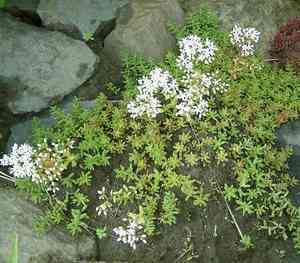
White stonecrop is resilient and can withstand cold temperatures, but it still benefits from winter attention to promote vigorous development.
2
Make sure your White stonecrop gets enough sunlight, even in the colder months.
3
Trimming your White stonecrop prior to winter aids in disease prevention and fosters strong growth in the spring.
Understanding Winter Hardiness of White stonecrop
Understanding Winter Hardiness of White stonecrop
The White stonecrop (Sedum album) is renowned for its durability and adaptability, making it a prime selection for gardens experiencing cold winters. Originating from Europe, this succulent is resistant to frost and can endure temperatures below freezing. However, despite its hardiness making it relatively low-maintenance, proper winter care ensures its continued health and vibrancy. Knowing its cold tolerance aids in providing optimal protection and conditions for your plant.
Preparing White stonecrop for Winter
Inspecting and Pruning
Prior to winter's arrival, it's vital to examine your White stonecrop. Look for any indications of disease or pest infestation. Pruning is another crucial step; cut back any dead or damaged stems. This not only prevents disease spread but also encourages new growth in spring. Use clean, sharp scissors or pruning shears to avoid harming the plant.
Mulching Techniques
Applying mulch around your White stonecrop can help insulate the soil and shield the roots from extreme temperature fluctuations. Organic mulches such as straw, pine needles, or shredded leaves are excellent choices. Aim for a 5-8 cm (2-3 inches) layer of mulch around the base of the plants. Ensure the mulch does not directly touch the stems to prevent rot.
Watering Guidelines
Watering White stonecrop during winter demands a delicate balance. These plants are drought-tolerant, but they still require some moisture to thrive. Reduce watering as temperatures drop, but do not allow the soil to completely dry out. A good general rule is to water only when the top 2-3 cm (1 inch) of soil is dry.
Indoor Overwintering Options
When to Move Indoors
If you reside in an area with exceptionally harsh winters, consider bringing your White stonecrop indoors. The ideal time to relocate them is late fall before the first significant frost occurs. This prevents potential damage from sudden temperature drops.
Ideal Indoor Conditions
White stonecrop prefers a cool, bright indoor location. A room that maintains a temperature of 15-18°C (59-65°F) is perfect. Position the plants near a window where they can receive ample indirect sunlight. Ensure good air circulation to prevent fungal infections and avoid overwatering, as this can lead to root rot.
Outdoor Winter Care for White stonecrop
Protecting against Extreme Cold
For outdoor White stonecrop, safeguarding them against extreme cold is essential. An effective method is to use frost cloths or burlap to cover the plants during severe weather. This additional layer of protection can help mitigate freeze damage and support the health of your plants throughout the winter months.
Monitoring Soil Conditions
Regularly check the soil conditions around your White stonecrop. Ensure it remains well-drained, as soggy soil can promote root rot, especially in winter when evaporation rates are lower. If your garden tends to retain water, consider amending the soil with sand or gravel to improve drainage.
Common Winter Issues and Solutions
Frost Damage
Frost damage can appear as blackened or mushy leaves. If you observe any signs of frost damage, prune the affected areas immediately to prevent further spread and potential rot. Ensure the plant is sheltered during the frost to avoid recurring damage.
Pests and Diseases
Winter can sometimes bring about pest issues, even for resilient plants like White stonecrop. Keep an eye out for common pests such as aphids and spider mites. In case of an infestation, treating the plant with insecticidal soap or neem oil can be effective. Additionally, ensure good air circulation and avoid waterlogging the soil to minimize disease risks.



