How to Overwinter Goldmoss stonecrop
1
Goldmoss stonecrop is able to withstand temperatures down to -20°C (-4°F).
2
Applying mulch offers substantial protection to Goldmoss stonecrop roots throughout severe winter conditions.
3
Refrain from excessive watering in winter; the soil needs to be merely damp enough to avoid drying out.
Why Goldmoss stonecrop is Frost Hardy
Why Goldmoss stonecrop is Frost Hardy
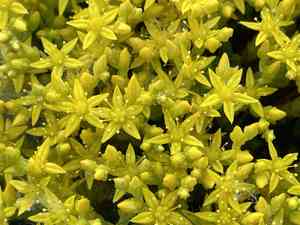
Originating from Europe, Goldmoss stonecrop (Sedum acre) is well-known for its ability to endure cold temperatures. This resilient succulent stores water in its thick leaves, enabling it to survive freezing conditions. Its low-growing habit and dense foliage provide natural insulation, making it a strong addition to any garden facing harsh winters. Understanding this plantâs inherent frost tolerance is the initial step to ensuring its healthy survival through winter in your garden.
Preparing Goldmoss stonecrop for Winter
Clean Up and Prune
Before winter arrives, remove any dead or decaying leaves from around the base of the Goldmoss stonecrop. Trimming back excessive growth ensures the plant's energy is conserved throughout the colder months. Cut back any leggy stems to promote a compact and healthy shape. This not only reduces disease risk but also helps the plant manage its energy more effectively during winter.
Check for Pests and Diseases
Examine your Goldmoss stonecrop for any indications of pests or diseases. Remove any affected parts and treat the plant with appropriate organic pesticides if necessary. Early detection and treatment prevent problems from worsening over the winter when the plant's growth is slower. Healthy plants are better equipped to withstand the stresses of cold weather.
Soil and Mulch
Ensuring the soil is well-drained is vital for Goldmoss stonecrop during winter. Poorly drained soil can lead to root rot, especially when combined with freezing temperatures. Apply a 5-7 cm (2-3 inch) layer of mulch around the plant's base to retain soil moisture and provide an extra layer of insulation against the cold. Organic mulches such as shredded bark or straw are excellent choices.
Watering and Fertilizing During Winter
Adjusting Watering Schedule
During winter, decrease the frequency of watering. Goldmoss stonecrop is drought tolerant and can suffer if waterlogged. Water only when the top 5 cm (2 inches) of soil are dry to the touch. This prevents the roots from freezing in overly wet soil. Always water in the morning to allow moisture to evaporate during the day, reducing the risk of fungal diseases.
Fertilization Needs
Goldmoss stonecrop has minimal fertilizer requirements during winter. Avoid fertilizing late in the season to prevent new growth that can be damaged by frost. If needed, a light feeding with a balanced, slow-release fertilizer in early autumn can help the plant store enough nutrients to last through winter. Over-fertilizing can lead to weak growth that is more susceptible to cold damage.
Covering and Protecting Goldmoss stonecrop
Using Protective Covers
In regions with harsh winters, consider using protective covers such as frost cloths or garden blankets over your Goldmoss stonecrop. These covers can help maintain a slightly warmer microclimate around the plant. Ensure the cover does not directly touch the leaves, as this can cause frost damage. Use stakes to create a mini-tent around the plant, securing the cover firmly to prevent it from blowing away.
Positioning Strategies
If your Goldmoss stonecrop is in pots, move the containers to a sheltered location, such as against a wall or in a cold frame. Position the plants where they can receive some sunlight without being exposed to freezing winds. Grouping pots together can also provide mutual insulation, creating a communal microclimate that helps protect each plant.
Post-Winter Care for Goldmoss stonecrop
Gradual Reintroduction to Normal Conditions
As temperatures begin to rise in spring, gradually reintroduce your Goldmoss stonecrop to normal conditions. Remove protective covers slowly to avoid shocking the plants with sudden temperature changes. Begin watering more frequently and resume normal feeding practices with a balanced fertilizer to encourage new growth.
Pruning and Refreshing Soil
Post-winter is an excellent time to prune any winter-damaged stems to encourage healthy new growth. Refresh the soil around your Goldmoss stonecrop by gently working in some compost or a slow-release fertilizer. This replenishes nutrients that might have been depleted over winter and supports robust growth as the plant returns to its active phase.



