How to Overwinter Baikal skullcap
1
Baikal skullcap tolerates cold well, making it suitable for outdoor wintering.
2
Confirm the soil surrounding your Baikal skullcap drains effectively to avoid root decay in winter.
3
Applying mulch is vital as it insulates roots from severe cold.
What is Baikal skullcap?
What is Baikal skullcap?
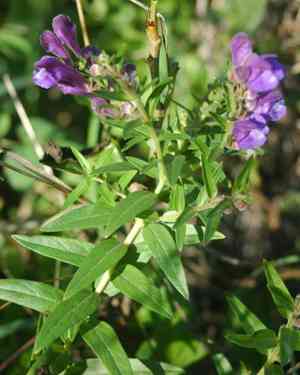
The Baikal skullcap is a robust perennial herb recognized for its attractive purple blooms and therapeutic qualities. Originating from the colder areas of East Asia, this plant flourishes in well-drained soil and full or partial sun. It can reach a height of 0.3-0.6 meters (1-2 feet), making it suitable for both garden beds and larger containers.
How to Prepare Baikal skullcap for Winter?
Pruning and Cleaning
Begin by trimming back any dead or dying stems and foliage. This aids in preventing disease and pests from establishing during the dormant winter months. By cutting the stems to approximately 5-7 centimeters (2-3 inches) above the soil line, you enable the plant to conserve energy for root development and new growth in the spring.
Fertilizing and Hydrating
Fertilizing your Baikal skullcap before winter is vital as it supplies essential nutrients that will support its root system. Utilize a balanced, slow-release fertilizer to nourish the plant. Following fertilization, ensure the plant is adequately hydrated by watering it thoroughly. Moist soil, not waterlogged or saturated, is crucial for preventing root rot.
Mulching Tips
Apply a 5-10 centimeter (2-4 inch) layer of mulch around the plant's base. Mulch helps to insulate the roots, retain moisture, and reduce the risk of temperature fluctuations. Organic mulches such as straw, shredded leaves, or pine needles are excellent choices as they also enhance soil quality as they decompose.
How to Transition Baikal skullcap Back to Warmer Weather?
Gradual Exposure
As temperatures start to rise, slowly reintroduce your Baikal skullcap to more sunlight. Begin by exposing it to indirect sunlight for a few hours daily, then progressively increase the exposure to direct light. This helps prevent shock and allows the plant to adapt to the changing conditions.
Inspecting for Pests and Diseases
Before full spring growth commences, examine the plant for any indications of pests or diseases. Look for signs such as discolored leaves, unusual spots, or pest activity. Early detection enables you to address any issues before they worsen, ensuring your Baikal skullcap remains healthy throughout the growing season.



