How to Overwinter Lizard's tail
1
Lizard's tail tolerates cold, simplifying its winter care.
2
Consistent trimming and ground conditioning are vital for Lizard's tail to survive winter.
3
Sustaining ideal warmth and moisture is key to Lizard's tail's winter well-being.
What is Overwintering for Lizard's tail?
What is Overwintering for Lizard's tail?
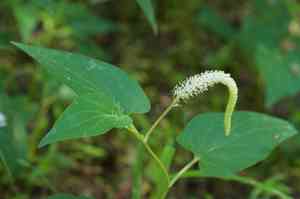
Overwintering refers to the practice of preparing and sustaining plants through the harsh winter months, ensuring their survival and vigorous growth once spring arrives. For Lizard's tail, a resilient perennial known for its distinctive spike-shaped blooms and aromatic foliage, this process involves several crucial steps to protect it from potential harm caused by cold temperatures, frost, and reduced daylight.
How to Prepare Lizard's tail for Overwintering
Pruning Techniques for Lizard's tail
Pruning is a vital component of readying Lizard's tail for winter. Start by removing any dead or diseased leaves and stems. This not only aids the plant in conserving energy but also lowers the risk of diseases persisting in plant debris. Trim the plant back to approximately one-third of its current size to encourage robust regrowth in the spring.
Adjusting Watering Schedule
As temperatures decrease, Lizard's tail will need less frequent watering. Reduce the irrigation schedule to prevent the roots from becoming waterlogged, which can lead to root rot. Only water the plant when the top 2-3 cm (1 inch) of soil feels dry to the touch. Avoid watering just before a frost to prevent freeze damage.
Soil Preparation and Mulching
Improve the soil around Lizard's tail by adding a layer of organic mulch, such as straw, shredded leaves, or compost. This mulch helps insulate the roots, retain moisture, and suppress weeds. Aim for a mulch layer about 5-7 cm (2-3 inches) thick. Additionally, ensure the soil is well-draining to avoid any standing water around the roots.
Ideal Conditions for Overwintering Lizard's tail
Optimal Temperature
Lizard's tail thrives best in cool but not freezing conditions. Aim to keep the plant in an environment where temperatures range between 1-10°C (34-50°F). Since it is frost hardy, it can tolerate occasional dips below freezing, but sustained low temperatures can still harm the plant.
Humidity Levels
Humidity levels play a significant role in the overwintering process. Aim to maintain moderate humidity around 40-50%. If overwintering indoors, consider using a humidifier to maintain these levels. Low humidity can cause the plantâs leaves to dry and curl, while overly high humidity can promote mold and mildew.
Light Requirements
Lizard's tail does not require as much light during the winter dormancy period. However, it still benefits from indirect light. Place the plant near a window that receives filtered sunlight, or use grow lights if natural light is insufficient. This light exposure helps prevent legginess and maintains general health.
Common Issues and Troubleshooting During Overwintering
Signs of Stress in Lizard's tail
Overwintering can sometimes lead to stress in Lizard's tail. Common signs include yellowing leaves, drooping stems, and a general lack of vigor. If you notice these symptoms, check the plantâs watering schedule, light exposure, and humidity levels to mitigate any stress factors.
Pest and Disease Management
Pests and diseases can be particularly troublesome during the overwintering period. Inspect Lizard's tail regularly for common culprits such as aphids, spider mites, and fungal infections. If detected, treat promptly with appropriate organic pesticides or fungicides. Regularly cleaning and sterilizing pruning tools can also prevent the spread of disease.



