How to Overwinter Common sassafras
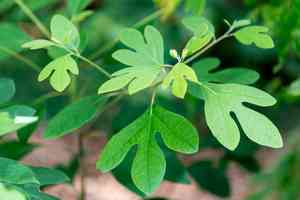
1
Common sassafras generally withstands frost and flourishes in USDA zones 4 to 9.
2
Trimming Common sassafras prior to winter aids in averting harm from substantial snow and ice.
3
Applying mulch around the base of Common sassafras preserves soil hydration and offers thermal protection.
Understanding Common sassafras Needs During Winter
Understanding Common sassafras Needs During Winter
As colder periods approach, preparing your Common sassafras for winter is vital. This native North American tree, known for its fragrant leaves and roots, displays vivid autumn colors. Knowing its specific winter requirements helps maintain its health and vigor throughout the year.
Steps to Prepare Common sassafras for Winter
Pruning Tips for Winter Months
Pruning your Common sassafras in late autumn or early winter is essential for its structure and well-being. Remove any dead or damaged branches to lessen the chance of breakage from heavy snow or ice. Ensure your cuts are clean to prevent potential disease entry.
Mulching Techniques for Common sassafras
Applying a mulch layer around your Common sassafras's base offers crucial protection. Use organic mulch like wood chips or shredded bark, applying a 5-10 cm (2-4 inch) layer. This method helps retain moisture and insulates the soil, shielding roots from extreme cold.
Watering Guidelines Before Winter Sets In
Proper watering before winter ensures your Common sassafras stays hydrated through colder months. Water the tree deeply in late fall before the first freeze. Aim for moist but not waterlogged soil, ensuring the tree has enough water to sustain itself until spring.
Indoor vs. Outdoor Winter Care for Common sassafras
Indoor Care for Potted Common sassafras
If you have a potted Common sassafras indoors, providing adequate light and humidity is key. Place the pot in a bright spot, but avoid direct sun to prevent leaf scorch. Water sparingly but consistently, keeping the soil slightly moist but not overly wet. Consider a humidity tray or humidifier to maintain proper humidity levels.
Outdoor Care for Ground-Planted Common sassafras
For Common sassafras planted outdoors, extra protection may be needed during exceptionally harsh winters. Wrapping the trunk with burlap or tree wrap can guard against wind and frost damage. Additionally, creating a windbreak with stakes and burlap can shield young or vulnerable trees from severe weather.
Preventing Winter Damage to Common sassafras
Identifying and Preventing Frost Damage
A primary winter concern is frost damage. Common sassafras can suffer frost cracks on its trunk. To prevent this, ensure the tree is well-watered and mulched before winter. In severe conditions, consider using frost blankets to cover the tree during particularly cold nights.
Protecting Roots and Trunk from Cold
Roots and the trunk are highly vulnerable to cold damage. Apply insulating mulches, such as straw or leaf mold, around the base to protect the roots. Wrapping the trunk can prevent bark splitting from cold winds and temperature fluctuations. Young trees especially benefit from extra protection in their initial years.



