How to Overwinter Bouncing-bet
1
Bouncing-bet tolerates cold and can withstand winter conditions effectively.
2
Apply mulch at a minimum depth of 5-7.5 cm (2-3 inches) for proper soil insulation.
3
During dry winter periods, make sure Bouncing-bet is watered every two weeks.
What Makes Bouncing-bet Frost Hardy?
What Makes Bouncing-bet Frost Hardy?
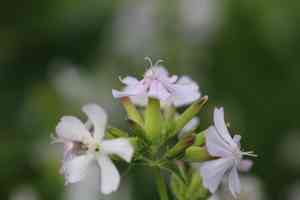
The Bouncing-bet (Saponaria officinalis) is a robust perennial recognized for its lovely clusters of pink or white blooms. A key characteristic of this plant is its impressive resistance to frost. This trait enables it to endure cold winter temperatures, making it a preferred choice for gardeners in colder regions. The plantâs deep root system helps it anchor securely and access nutrients even when the surface soil is frozen. Furthermore, the Bouncing-bet naturally enters dormancy in winter, slowing its metabolic processes, which aids in conserving energy and safeguarding its vital tissues from severe cold.
Preparing Bouncing-bet for Winter
Pruning and Cleaning the Plant
Before winter arrives, it's essential to prune and clean your Bouncing-bet. Begin by cutting back the stems to approximately 5-10 cm (2-4 inches) above the ground. This keeps the plant neat and prevents diseases from establishing. Remove any dead or decaying foliage as this can harbor pests or fungal spores that might affect the plant during its dormant period.
Mulching Techniques
Mulching is a crucial step in safeguarding your Bouncing-bet during winter. Apply a 5-7.5 cm (2-3 inches) thick layer of organic mulch, such as straw, leaves, or compost, around the plant's base. This insulates the soil, maintaining a more consistent temperature and preventing the roots from freezing. It also helps retain soil moisture and lessens the chance of frost heaving, where the freeze-thaw cycle can harm the roots.
Watering Needs
While Bouncing-bet can tolerate cold weather, it still requires moisture during its dormancy. Water the plant thoroughly before the first hard frost to ensure the roots are well-hydrated. In areas with dry winters, consider watering your Bouncing-bet every couple of weeks. However, be careful not to overwater, as this can lead to root rot.
Positioning for Optimal Winter Exposure
The placement of your Bouncing-bet can significantly impact its winter health. Position the plant in an area that receives some sunlight but is protected from harsh winter winds. If feasible, plant it near a south or west-facing wall, which can offer some warmth and protection. Ensuring adequate spacing between plants improves air circulation, reducing the likelihood of fungal infections.
Common Problems Overwintering Bouncing-bet
Fungal Infections
Winterâs damp conditions can create an ideal environment for fungal infections. Ensure good airflow around your Bouncing-bet by spacing it appropriately and removing any fallen leaves or debris that could harbor fungal spores. If you observe signs of mold or mildew, apply an appropriate fungicide according to the package instructions.
Pest Issues
Certain pests can also bother your Bouncing-bet during winter. Inspect the plant regularly for signs of aphids or spider mites, which can be more common when the plant is stressed by cold. Use insecticidal soap or neem oil to treat infestations promptly. Also, remove any plant debris around the Bouncing-bet to reduce habitats for overwintering pests.
Post-Winter Care for Bouncing-bet
Inspecting for Damage
As temperatures begin to rise and spring approaches, start examining your Bouncing-bet for any winter damage. Look for signs of frostbite on leaves or stems and trim any dead or damaged parts to encourage healthy new growth. Checking for signs of fungi or pests early can prevent problems from worsening.
Fertilizing and Encouraging New Growth
After a long winter, your Bouncing-bet will benefit from a nutrient boost. Apply a balanced, slow-release fertilizer (following label instructions) around the base of the plant to replenish the soil. Water the plant adequately to activate the fertilizer. As new growth appears, you can begin a regular watering and feeding schedule to support robust development throughout the growing season.



