How to Overwinter Cotton lavender
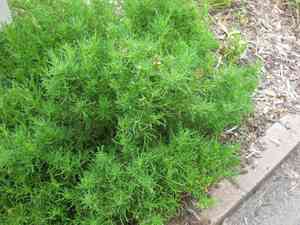
1
Cotton lavender flourishes in soil that drains effectively, preventing root decay.
2
Cut back Cotton lavender plants by a third prior to the start of winter.
3
Adhere to a moderate watering routine; excessive moisture can cause root issues.
The Importance of Overwintering Cotton lavender
Why Overwintering Cotton lavender is Important?
Overwintering Cotton lavender ensures your plant stays healthy and vibrant through colder months. While hardy and able to endure some frost, extra protection prevents undue stress and harm. Proper overwintering safeguards it from harsh winter elements and promotes vigorous spring growth.
Preparing Cotton lavender for Winter
Pruning the Plant
Begin by pruning your Cotton lavender to encourage new, healthy growth in spring. Cut back the plant by roughly one-third, removing any dead or weak stems. Pruning enhances airflow and lowers disease risk. Use clean, sharp shears for precise cuts to avoid plant damage.
Mulching and Soil Care
Cotton lavender thrives in well-drained soil, and mulching is vital for root protection during winter. Apply a 5-8 cm (2-3 inches) layer of mulch around the plant's base. This insulates the soil and maintains consistent temperature. Use organic mulch like straw or wood chips for better results. Regularly check soil to ensure good drainage and prevent waterlogging.
Watering Needs
Watering is critical but requires careful balance. Reduce watering frequency in winter as Cotton lavender is more prone to root rot from excess moisture. Water sparingly, ensuring the soil is dry before re-watering. In winter, deep water about once every 3-4 weeks, depending on climate and indoor humidity.
Addressing Common Winter Issues
Pests and Diseases
Winter presents challenges like pests and diseases. Common pests include aphids and spider mites, which thrive indoors. Regularly inspect your Cotton lavender for pest signs, such as discolored leaves or fine webbing. For minor infestations, wipe leaves with a damp cloth or use mild insecticidal soap. Good air circulation and avoiding overwatering also reduce fungal disease risk.
Frost Damage
Though Cotton lavender is frost-hardy, severe frost can still cause damage. If severe frost is predicted, cover outdoor plants with frost cloths or burlap for insulation. If your plant suffers frost damage, wait until the last frost passes before pruning affected areas. Healthy plants have a better chance of recovery once the growing season resumes.



