How to Overwinter Bloodroot
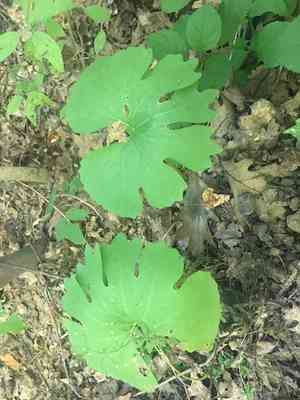
1
Bloodroot flourishes in USDA hardiness zones 3 to 8, indicating its good frost tolerance.
2
Apply organic mulching materials such as straw, fallen leaves, or pine needles to provide winter insulation for Bloodroot.
3
Inspect Bloodroot frequently for indications of mold or decay in colder months to avert illnesses.
What Makes Bloodroot Frost Hardy?
What Makes Bloodroot Frost Hardy?
A fascinating trait of Bloodroot (Sanguinaria canadensis) is its capacity to endure freezing temperatures. This perennial, native to North America, is well-suited for cold climates. Its rhizome root system allows Bloodroot to store nutrients underground, enabling survival even when above-ground growth dies back. Furthermore, the plant's natural dormancy in winter safeguards it from frost damage, ensuring its reemergence in spring.
Preparing Bloodroot for Winter
Pruning and Cleaning Up the Plant
As colder months approach, it's crucial to prune and tidy up Bloodroot. Begin by trimming any dead or decaying foliage. This reduces the risk of rot and diseases that can flourish in decomposing plant matter. Use clean, sharp pruning shears for precise cuts, taking care not to harm healthy parts of the plant.
Amending the Soil
Healthy soil is vital for Bloodroot to successfully survive winter. Before the first frost, consider enriching the soil with organic compost. This will boost nutrient levels and enhance soil structure, helping the plant's root system withstand the cold. Also, ensure the ground drains effectively, as waterlogged soil can lead to root rot during winter.
How to Insulate Bloodroot During Cold Months?
Mulching Techniques
Mulching is an excellent method to safeguard Bloodroot during colder periods. Apply a thick layer (approximately 5-10 cm or 2-4 inches) of organic mulch, such as straw, shredded leaves, or pine needles, over the soil around the plant. This helps regulate soil temperature and retain moisture. Be sure to cover the area around the root zone but leave some space near the stem to prevent rot.
Covering the Plant
In regions experiencing extremely low temperatures, you might consider additional protection. Use a cloche, frost cloth, or an old blanket to cover Bloodroot during particularly severe frosts. This provides extra insulation and prevents freeze damage. Remove the covering during the day if temperatures rise above freezing to avoid excessive moisture accumulation.
Common Winter Pests and Diseases Affecting Bloodroot
Identifying Common Pests
While Bloodroot is relatively pest-resistant, common culprits like slugs and snails can still pose a threat, especially during a wetter winter. Look for slimy trails or holes in the foliage, which are clear indicators of these pests.
Preventive Measures
To protect Bloodroot from pests and diseases during winter, maintain a clean garden environment. Remove any fallen leaves and debris where pests can hide. Use organic slug repellents or barriers like crushed eggshells around the plant's base. To prevent disease, ensure good air circulation around the plant by not crowding it with other vegetation, and avoid wetting the foliage when watering.



