How to Overwinter American elder
1
American elder tolerates cold well, enduring temperatures down to -30°C (-22°F).
2
Applying a 5-10 cm (2-4 inches) layer of organic mulch around your American elder aids in moisture retention and root insulation.
3
Trim your American elder in late winter, prior to new shoots emerging, to encourage robust spring development.
Understanding American elder's Cold Tolerance
Understanding American elder's Cold Tolerance
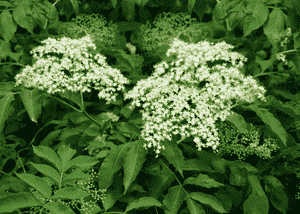
The American elder, recognized for its lovely white blooms and deep purple fruits, is celebrated for its resilience, especially during colder periods. This indigenous North American species is cold-hardy, thriving in temperatures that can drop to -30°C (-22°F). Its robust nature means that with some preparation and attention, your American elder can thrive even after severe winters. However, ensuring your elderberry bush enters and exits winter in good condition involves specific, easy-to-follow steps.
Preparing American elder for Winter
When to Begin Preparation?
Start winter preparations as autumn commences. Early readiness ensures your plant is prepared before the initial frost. Monitor local weather forecasts and begin prepping when nighttime temperatures approach 0°C (32°F). Prompt preparation allows the plant to adapt and bolster its defenses against the impending cold.
Pruning Requirements
Pruning your American elder is essential for its vitality and yield. Remove any dead, diseased, or compromised branches to prevent them from consuming vital nutrients needed for the plant's winter survival. Additionally, thinning the plant's center improves air circulation, which can help prevent fungal infections. Prune your plant in mid-to-late autumn before the harsh winter arrives.
Soil and Mulching Methods
The soil surrounding your American elder should drain well to prevent waterlogging, which can lead to root rot. Enrich the soil with organic matter to enhance its nutrient content. Apply a thick layer of mulch around the plant's base, approximately 5-10 cm (2-4 inches) deep, using organic materials such as straw, wood chips, or leaves. Mulch helps insulate the roots from temperature fluctuations and retains soil moisture.
Watering Adjustments
Sufficient watering is crucial before the ground freezes. Reduce watering frequency as temperatures fall, but ensure the soil remains slightly damp. During the winter months, water sparingly as American elder plants enter dormancy and require less moisture.
Providing Winter Protection for American elder
Assessing Your Local Environment
Understanding your local climate is crucial for providing the appropriate level of winter protection for your American elder. If you reside in an area prone to extreme winds or occasional sub-zero temperatures, your plant may benefit from extra protection like mulching and windbreaks. Those in milder climates might find that basic ground maintenance is sufficient.
Utilizing Covers and Windbreaks
To shield your American elder from strong winds and frost, consider using burlap covers or frost cloths. These materials are breathable and offer protection without stifling the plant. Windbreaks can be constructed using stakes and burlap or windbreak fencing. These structures prevent the wind from dehydrating the plant and minimize cold damage.
Post-Winter Care for American elder
Identifying Winter Damage
As spring begins to thaw, inspect your American elder for any signs of winter damage. Look for frostburn, broken branches, or indications of root disturbance. Address these issues promptly to aid your plant's swift recovery. Remove any damaged limbs and clear debris around the base to prevent diseases.
Spring Pruning and Fertilizing
Conduct a careful pruning session in late winter or early spring before new growth emerges. Remove any weak or damaged stems and shape the plant to encourage healthy airflow and sunlight penetration. Following pruning, fertilize your American elder with a balanced, slow-release fertilizer to support vigorous new growth and berry production.



