How to Overwinter Meadow sage
1
Meadow sage tolerates frost well, making it suitable for cold winters with appropriate care.
2
Begin winter preparations for your Meadow sage in late autumn, prior to the initial severe frost.
3
Trimming, applying mulch, and correct watering are crucial for successful winter survival.
Why Overwinter Meadow sage?
Why Overwinter Meadow sage?
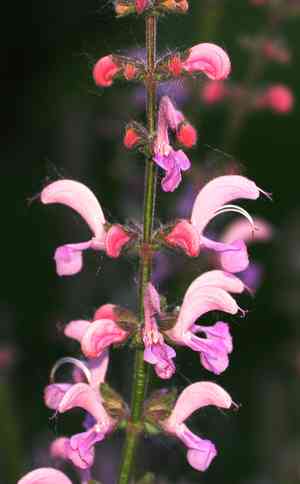
Overwintering Meadow sage ensures its survival through cold winter months, enabling it to flourish and bloom beautifully in spring. This perennial herbaceous plant, known for its tall flower spikes and vibrant blue to purple flowers, is resilient but benefits from extra winter care. Proper overwintering techniques safeguard its roots and foliage from severe frost, promoting a healthier, more vigorous plant in the next growing season.
Preparing Meadow sage for Winter
Pruning Techniques
Start by pruning your Meadow sage to remove any dead or diseased stems. Cut stalks back to approximately 5-10 centimeters (2-4 inches) above soil level. This tidies the plant, allowing it to conserve energy during winter. Be careful not to over-prune; remaining foliage helps the plant gather energy in late autumn.
Soil Preparation
Good soil health is crucial for overwintering. Ensure the soil around your Meadow sage drains well to prevent waterlogging, which can cause root rot. If your soil is heavy or clay-like, consider adding organic matter like compost or well-rotted manure to enhance drainage and nutrient content.
Mulching
Mulching is a vital step in protecting Meadow sage from extreme cold. Apply a thick layer of organic mulch, about 5-7.5 centimeters (2-3 inches), around the plant's base. Straw, pine needles, or shredded leaves work well. Mulch insulates roots by maintaining a more consistent soil temperature and preventing frost heave.
Protecting Meadow sage During Winter
Covering and Insulation
In regions with particularly harsh winters, additional covering may be necessary. Use frost cloths or burlap to wrap your Meadow sage, providing an extra layer of protection against freezing temperatures. Ensure the cover is secure but allows some airflow to prevent moisture buildup and mold.
Watering Needs
While Meadow sage requires less water during dormant winter months, it's important not to let the soil completely dry out. Water the plant sparingly, ensuring the soil remains slightly moist but not waterlogged. In areas with consistent winter precipitation, additional watering may not be necessary.
Using Cold Frames
For an added layer of protection, especially in colder zones, consider using cold frames. These structures can help moderate temperatures and shield your Meadow sage from winter winds. Cold frames also allow you to control the amount of sunlight and air the plant receives, reducing the likelihood of frost damage.



