How to Overwinter Baby sage
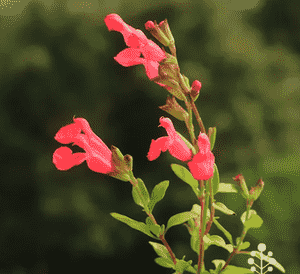
1
Baby sage tolerates cold temperatures well, making it a robust choice for winter planting.
2
Trim Baby sage in late autumn to safeguard new shoots from freezing.
3
Apply a layer of mulch for additional defense against frozen ground.
What Does It Mean to Overwinter Baby sage?
What Does It Mean to Overwinter Baby sage?
Overwintering involves preparing and safeguarding plants during colder periods to ensure their survival and flourishing once warmer seasons return. For Baby sage, a resilient perennial, this entails specific actions to shield it from frost and other winter-related stresses. Despite its toughness, proper overwintering can boost its growth and hardiness.
Preparing Baby sage for Winter
When to Start Preparing
Begin readying Baby sage for winter in late autumn, ideally prior to the initial frost. This timing ensures the plant is prepared for the cold without being shocked by sudden temperature shifts. Starting early allows for gradual adjustment of the care routine, letting the plant slowly adapt.
Pruning Tips for Baby sage
Trim Baby sage by cutting back roughly one-third of its height in late fall. This practice helps remove diseased, dead, or damaged foliage and promotes healthier growth in spring. Avoid severe pruning, as it can encourage new growth vulnerable to winter frost. Instead, focus on shaping the plant and maintaining its overall form.
Cleaning and Inspecting the Plant
Examine Baby sage for pests or diseases before winter's arrival. Remove any infested or diseased sections to prevent problems from worsening during dormancy. Cleaning the plant by clearing fallen leaves and debris from its base can improve air circulation and lessen the risk of fungal infections. This step ensures your Baby sage remains healthy and strong throughout winter.
How to Protect Baby sage from Frost?
Using Mulch Effectively
Apply a layer of mulch around the base of Baby sage, ideally 5-7 cm (2-3 inches) thick. Mulch acts as an insulating barrier, protecting roots from freezing temperatures. Suitable materials include straw, shredded leaves, or compost. Ensure mulch covers the entire root zone without touching the plant stem directly, preventing moisture buildup and potential rot.
Covering Baby sage with Frost Cloths
Utilize frost cloths or old sheets to cover Baby sage during extremely cold nights. These coverings offer extra protection by trapping warmth and preventing frost from settling directly on the plant. Secure cloths with stakes or weights, avoiding direct contact with foliage to prevent frost damage.
Ideal Location for Winter Protection
Position Baby sage in a spot that provides shelter from strong winds and frost pockets. If planted in the ground, select a well-draining location to prevent waterlogging, which can freeze and harm roots. For potted plants, move them closer to walls or other structures that can act as windbreaks. Consider elevated positions or raised beds to reduce exposure to cold ground temperatures.
Watering and Feeding Baby sage During Winter
How Often Should You Water?
Water Baby sage sparingly during the winter months. Excessive watering can lead to root rot due to standing water in cold conditions. Aim to keep the soil slightly moist but not saturated, checking every few weeks, depending on local weather. Reducing water frequency helps the plant stay dormant, conserving energy for spring growth.
Fertilization Tips for Winter
Refrain from fertilizing Baby sage during winter, as the plant doesn't need extra nutrients while dormant. Feeding at this time can stimulate undesirable growth susceptible to frost damage. Instead, wait until early spring to resume a regular feeding schedule, using a balanced fertilizer to support new growth and development.
Signs of Stress in Baby sage and How to Fix Them
Identifying Stress Symptoms
Watch for signs of stress in Baby sage, such as wilting leaves, discoloration, or unusual spots. These symptoms can indicate water stress, pest infestations, or disease. Regular plant inspection helps catch early warning signs and allows for prompt action.
Immediate Actions to Take
If Baby sage shows signs of stress, promptly address the root cause. For water-related stress, adjust watering practices to avoid over or under-watering. For pests, use insecticidal soap or horticultural oil to manage infestations. In cases of disease, remove affected parts and apply fungicides if necessary. Quick and appropriate actions can help your Baby sage recover and thrive post-winter.



