How to Overwinter East asian sage
1
East asian sage tolerates cold and can endure low temperatures with proper attention.
2
For outdoor East asian sage during winter, mulch is essential!
3
Check your East asian sage for insects prior to moving it inside to prevent pest problems.
What is East asian sage?
What is East asian sage?
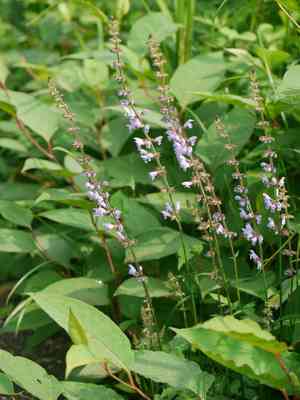
East asian sage is a delightful perennial herb recognized for its fragrant qualities and attractive flower spikes. This plant offers both visual appeal and a pleasant scent, making it a favorite among herb garden enthusiasts. Originating in East Asia, it thrives in various conditions and is generally considered resilient. However, it still requires proper care, especially during colder months, to ensure its health and vibrancy year after year.
Why Overwinter East asian sage?
Benefits of Overwintering
Overwintering your East asian sage ensures its survival through harsh winter periods and robust emergence in spring. By providing suitable conditions, you help the plant conserve energy, safeguard its roots, and potentially extend its lifespan. Overwintering also promotes enhanced growth and flowering for the subsequent growing season, allowing you to enjoy its beauty and aroma throughout the year.
Impact of Not Overwintering
Neglecting to overwinter your East asian sage risks exposure to frost damage, which can be fatal to the plant. Without adequate protection, roots can freeze, leading to wilting and dieback. Furthermore, improper winter care can result in more extensive spring maintenance, such as clearing dead foliage or even replacing the entire plant.
How to Prepare East asian sage for Overwintering
Prune the Plant
Pruning helps manage the size of your East asian sage and stimulates new growth in spring. Trim away any dead or dying foliage, and remove approximately one-third of the total foliage to maintain a manageable size. This step also ensures the plant directs energy to its roots instead of sustaining excess leaves.
Inspect for Diseases and Pests
Before overwintering your East asian sage, thoroughly check it for any indications of disease or pest infestation. Remove any affected plant parts and treat with appropriate organic or chemical solutions to ensure it enters winter free from potential harm.
Clean the Area Around the Plant
Clear away any debris, fallen leaves, or unwanted material from around the base of your East asian sage. A clean area minimizes the risk of pests and diseases establishing themselves during winter and maintains better soil condition.
Where to Overwinter East asian sage
Outdoor Options
If you choose to overwinter your East asian sage outdoors, ensure it's planted in a protected spot, away from strong winds. Mulching around the plant's base with straw, leaves, or bark can provide additional insulation. A mulch layer of about 5-8 cm (2-3 inches) should be sufficient to shield the roots from freezing temperatures.
Indoor Options
For those bringing their East asian sage indoors, select a cool, bright location such as a sunroom or an unheated greenhouse. Ensure the plant receives ample light but is not exposed to direct heat sources like radiators. Indoor overwintering offers added protection but requires regular monitoring for indoor pests.
Step-by-Step Guide to Overwintering East asian sage
Step 1: Reduce Watering
As winter approaches, gradually decrease the amount of water you give your East asian sage. This reduction helps prevent root rot and encourages the plant to enter dormancy. Water sparingly, ensuring the soil remains only slightly moist.
Step 2: Mulch the Roots
Apply a generous layer of mulch around the base of your East asian sage. This mulch serves as an insulating layer, protecting the roots from freezing temperatures. Approximately 5-8 cm (2-3 inches) of organic mulch should be adequate.
Step 3: Protect with Covers
For extra protection, consider using frost covers or garden blankets to shield your East asian sage from extreme cold spells. Ensure covers allow some airflow to prevent mold and mildew but provide enough insulation to keep the plant warm.
Common Overwintering Mistakes
Overwatering
Excessive watering during winter can lead to root rot and other fungal problems. Keep watering to a minimum, providing just enough to maintain slightly moist soil.
Neglecting Pest Control
Failing to inspect and treat your East asian sage for pests before overwintering can result in infestations that persist into spring. Regularly check the plant and apply necessary treatments.
Improper Pruning
Incorrect pruning can cause the plant to expend energy on unnecessary foliage. Ensure you prune properly by cutting back dead or excess growth while maintaining the plant's overall form.
FAQs About Overwintering East asian sage
Can East asian sage Survive Winter Outdoors?
East asian sage is frost-hardy and can endure winter outdoors if adequately protected. By using mulch and placing it in a sheltered spot, you can help the plant withstand cold temperatures.
How Do I Know If East asian sage Is Properly Overwintered?
Signs that your East asian sage has been properly overwintered include healthy, firm roots and intact stems. As spring arrives, you should observe new growth emerging, indicating the plant successfully navigated the winter months.



