How to Overwinter Mealycup sage
1
Mealycup sage tolerates cold and can endure gentle winters if well-maintained.
2
Applying mulch insulates Mealycup sage, shielding it from temperature extremes.
3
Trimming Mealycup sage prior to winter aids energy conservation and encourages robust spring growth.
Why Overwinter Mealycup sage?
Why Overwinter Mealycup sage?
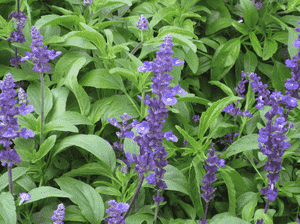
Overwintering Mealycup sage is crucial for maintaining the vigor and lifespan of this beautiful plant. By taking the necessary steps to shield it from the cold, you ensure it can continue to flourish when warmer seasons return. This process aids the plant in conserving energy, minimizes frost damage, and prevents root rot. Additionally, it allows you to enjoy the vibrant blue spikes of the Mealycup sage year after year, making it a rewarding garden staple.
Steps to Overwintering Mealycup sage
Prune and Clean the Plant
Begin by trimming the Mealycup sage back to approximately 10 centimeters (4 inches) above the ground. Remove any dead or diseased foliage to minimize the risk of pests and diseases. Clearing around the plant's base by removing fallen leaves and debris can also reduce the likelihood of fungal infections.
Prepare the Soil
Loosen the soil around the Mealycup sage to enhance aeration, which helps the roots breathe better and prevents waterlogging. Consider adding organic matter or compost to enrich the soil, improving its nutrient content and drainage capabilities.
Mulching Techniques for Frost Protection
Apply a thick layer of mulch, about 5-10 centimeters (2-4 inches) deep, around the plant's base. Use organic materials like straw, leaves, or wood chips. This mulch acts as an insulating blanket, protecting the roots from extreme temperature fluctuations and helping retain soil moisture.
Watering Schedule During Winter
Reduce the watering frequency as the weather cools. Mealycup sage requires less water during winter, so aim to keep the soil slightly moist but not waterlogged. Too much water can lead to root rot, especially with the lower evaporation rates during the colder months.
Use of Frost Cloths and Covers
For added protection against frost, cover your Mealycup sage with frost cloths or horticultural blankets. These covers offer an extra layer of defense against the cold, especially during unexpected frosts. Secure the covers with stakes or rocks to prevent them from blowing away.
Common Overwintering Challenges and Solutions
Dealing with Frost Damage
If your Mealycup sage shows signs of frost damage, such as blackened leaves, do not panic. Prune the damaged parts and apply mulch to protect the remaining healthy sections. The plant can often recover once the frost has passed and temperatures stabilize.
Preventing Root Rot
To prevent root rot, ensure proper drainage by avoiding overwatering and loosening the soil. Using mulch correctly can also help regulate soil moisture, reducing the risk of waterlogged conditions that lead to root rot.
Managing Pests in Winter
Pests can still be an issue during winter. Regularly inspect your Mealycup sage for signs of aphids, spider mites, or other pests. Use eco-friendly insecticides or neem oil as a preventative measure to keep these unwanted guests at bay.



