How to Overwinter Mexican petunia
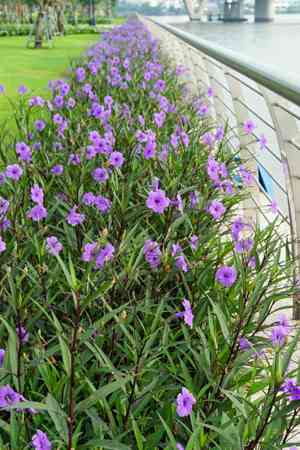
1
Mexican petunia flourishes optimally in temperatures ranging from 15-24°C (60-75°F).
2
Strategic trimming in autumn promotes robust development in the spring.
3
Bringing Mexican petunia inside for winter safeguards it from severe low temperatures.
Understanding 'Half-Hardy' for Mexican petunia
What Does Half-Hardy Mean for Mexican petunia?
The term 'half-hardy' describes plants that can endure some cold but are not tolerant of freezing temperatures. For Mexican petunia, this implies it can withstand temperatures down to -1°C (30°F) for brief periods. However, extended exposure to frost can damage or even kill the plant. This makes winter protection essential for gardeners in colder regions.
Winter Preparation for Mexican petunia
When to Start Preparing
Begin preparations in late summer to early autumn, prior to the anticipated first frost. In regions with unpredictable weather, it's advisable to be cautious and start preparations in early September.
Cleaning and Pruning
Remove any dead or diseased foliage from your Mexican petunia. Trimming the plant back by approximately one-third aids its management during dormancy. Utilize sterilized pruning shears to prevent disease transmission.
Soil and Potting Advice
Ensure the potting soil drains effectively to prevent waterlogging, which can lead to root rot. A mixture of potting soil and sand is ideal. If the plant is in a pot, confirm that the pots have adequate drainage holes.
Indoor Overwintering Strategies for Mexican petunia
Ideal Indoor Conditions
Mexican petunia thrives in a location that mimics its natural habitat. Maintain an indoor temperature of around 18-24°C (65-75°F) with good air circulation. Avoid positioning the plant near drafts or heating vents.
Watering and Humidity Solutions
Water sparingly during winter, allowing the top layer of soil to dry out between waterings. To maintain humidity, place a tray with water and pebbles beneath the pot or use a room humidifier.
Light Requirements
Provide as much natural light as possible, ideally 6-8 hours of indirect sunlight daily. If natural light is insufficient, supplement with grow lights to ensure the plant receives the necessary illumination.
Outdoor Overwintering Methods
Mulching and Insulating
Apply a thick layer of organic mulch, such as straw or wood chips, around the base of the Mexican petunia to shield the roots from frost. This insulation helps in moderating soil temperature fluctuations.
Covering and Wrapping
Use frost cloths or burlap to cover Mexican petunia. Secure the covers with ties or stakes to prevent them from blowing away. Ensure the covering doesn't sit too tightly on the plant, allowing space for air circulation.
Choosing a Sheltered Location
Move potted Mexican petunias to a protected area, such as a garage or shed, that remains above freezing. Ensure the spot receives some natural light.
Common Mistakes to Avoid When Overwintering Mexican petunia
Overwatering or Underwatering
Both excessive and insufficient watering can stress the plant. Aim to keep the soil slightly moist but not waterlogged. Water less frequently, but ensure the entire root ball gets a thorough soaking when you do water.
Improper Light Exposure
Lack of adequate light can cause legginess and poor growth. Ensure your indoor space provides sufficient light or use artificial lighting solutions during the winter months.
Neglecting Temperature Fluctuations
Sudden temperature changes can shock Mexican petunia. Maintain a stable indoor environment and avoid placing it near windows that can cool significantly at night.



