How to Overwinter Brown-eyed susan
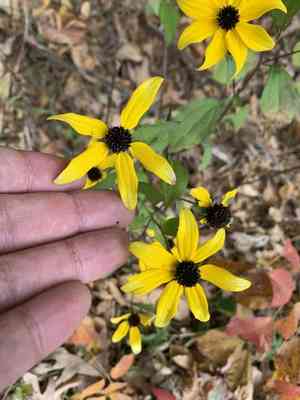
1
Brown-eyed susan is resistant to frost, allowing it to withstand certain cold temperatures.
2
Trimming in late autumn encourages a more robust plant for the spring season.
3
Appropriate mulching insulates Brown-eyed susan's roots, offering vital defense against severe winter cold.
What Overwintering Entails for Brown-eyed susan?
What Overwintering Entails for Brown-eyed susan?
Overwintering refers to the methods gardeners employ to help their plants endure the cold winter months. For Brown-eyed susan, this means ensuring its health and readiness for spring regrowth. As a robust perennial, it naturally enters dormancy, conserving energy until conditions improve. However, providing some care can boost its chances of flourishing. This guide will detail the essential steps.
Preparing Brown-eyed susan for Winter
Trimming and Tidying Up
To get Brown-eyed susan ready for winter, begin by removing dead or diseased foliage. Doing this before the first frost helps prevent pests and diseases from surviving the winter. Use clean, sharp tools to cut stems down to approximately 5-10 cm (2-4 inches) above ground level.
Soil Preparation
Next, ensure the soil surrounding your Brown-eyed susan is in good condition. Clear away any debris or fallen leaves that might harbor pests. Consider adding a layer of compost to enrich the soil, providing nutrients that will become available when the plant emerges from dormancy.
Mulching Strategies
Mulching is a vital step for safeguarding Brown-eyed susan in winter. Apply a layer of organic mulch, such as straw or shredded leaves, about 5-7 cm (2-3 inches) thick around the plant's base. This acts as insulation, stabilizing soil temperature and preserving moisture levels.
Indoor Overwintering Advice for Brown-eyed susan
Suitable Indoor Conditions
If you opt to bring your Brown-eyed susan indoors for winter, ensure it has a cool, well-ventilated area. A basement or unheated garage could work, provided the temperature stays above freezing and below 10°C (50°F).
Watering and Feeding Needs
Indoor plants require less frequent watering during winter dormancy. Water Brown-eyed susan sparingly, ensuring the soil is slightly moist but never saturated. Reduce feeding during this period as the plant's growth is minimal.
Lighting Considerations
Even though it's dormant, Brown-eyed susan still needs some light. Position it near a window where it can receive indirect sunlight. Avoid direct sunlight as it can be too intense and could disrupt the plant's resting cycle.
Common Overwintering Difficulties for Brown-eyed susan
Pests and Diseases
Even during dormancy, Brown-eyed susan can be vulnerable to pests like aphids or diseases such as powdery mildew. Regularly inspect the plant and use appropriate treatments if necessary. Neem oil and horticultural sprays are effective organic options.
Excessive or Insufficient Watering
Maintaining the correct moisture level is critical. Overwatering can lead to root rot, while underwatering can stress the plant. Check the soil moisture regularly and adjust watering routines to keep the plant healthy.



