How to Overwinter Pink azalea
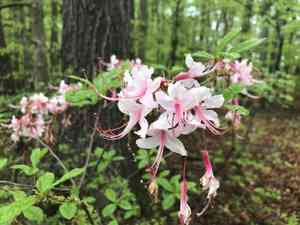
1
Make sure your Pink azalea receives sufficient hydration prior to the initial frost to aid its survival through the colder period.
2
Placing a layer of organic material around the base can shield the root system from freezing conditions.
3
Continuously observe your plant throughout winter to quickly resolve any problems that arise.
Why is Overwintering Important for Pink azalea?
Why is Overwintering Important for Pink azalea?
Winterizing is a crucial practice for guaranteeing the well-being and longevity of your Pink azalea. As temperatures decrease, these plants, despite being frost-tolerant, require additional attention to flourish. By winterizing your Pink azalea, you safeguard it from the severe impacts of winter, including freezing temperatures, frost, and potential snow harm. This method helps sustain the plant's vigor, ensuring it blossoms beautifully in the spring. Without adequate preparation, your Pink azalea might suffer from root damage, dehydration, and a weakened structure.
Steps to Overwinter Your Pink azalea Successfully
Check the Plant's Health
Start by thoroughly examining your Pink azalea for any indications of illness or pest infestations. Look for yellowing foliage, unusual spots, or any visible insects. Healthy plants are more likely to endure and thrive through the winter. If you observe any problems, address them promptly to ensure your plant is in the best possible condition before the cold weather arrives.
Prune Dead or Damaged Branches
Next, trim any dead or compromised branches. This action helps the plant direct its energy towards robust growth and minimizes the risk of disease. Utilize clean, sharp pruning shears to make precise cuts. Remove any branches that cross and cut back to just above a healthy bud or branch junction. Pruning also enhances air circulation, which is vital for overall plant health.
Watering Needs Before Winter
Water your Pink azalea deeply in the autumn, especially leading up to the initial frost. A well-hydrated plant can better withstand cold weather. Water thoroughly, ensuring the soil is moist but not waterlogged. This deep watering assists the plant in coping with the dry winter air. Typically, aim to provide at least 2.5 cm (1 inch) of water per week in the fall.
Mulching Around the Base
Apply a 5-7 cm (2-3 inches) layer of mulch around the plant's base. Use organic materials such as pine needles, leaf mold, or shredded bark. Mulch functions as an insulator, safeguarding the roots from temperature fluctuations and retaining moisture. Extend the mulch at least 30 cm (12 inches) from the plant's base.
Insulating the Plant
For additional safeguarding, particularly in regions with harsh winters, consider insulating your Pink azalea. Wrap the plant with burlap to shield it from strong winds and extreme cold. Avoid using plastic, as it can trap moisture and lead to rot. Secure the burlap loosely to allow for some air circulation.
Monitoring Throughout Winter
Regularly check on your Pink azalea throughout the winter months. Look for signs of frost damage or dehydration. If the weather is unusually dry, you might need to water the plant even during winter. Ensure that the mulch remains in place and adjust it if necessary. By monitoring your plant, you can address any issues promptly, ensuring it stays healthy until spring.
Common Challenges and Solutions in Overwintering Pink azalea
Pest Control
Pests can be particularly problematic during winter as they seek refuge in the plant. Inspect your Pink azalea regularly for common pests such as aphids or spider mites. Use organic insecticidal soap if necessary, and ensure the plant is free of dead leaves and debris where pests can hide.
Disease Prevention
Winter can worsen fungal diseases due to moisture trapped under mulch or coverings. Ensure proper air circulation around your plant and avoid over-watering. If you notice any signs of disease, such as mold or mildew, treat it immediately using appropriate fungicides.
Dealing with Frost Damage
Frost damage is a frequent problem, even for resilient plants like the Pink azalea. Protect your plant by covering it during extremely cold nights. In the event of frost damage, wait until spring to prune the affected areas to prevent unnecessary stress on the plant. Brown or blackened leaf tips are common indicators of frost damage.



