How to Overwinter Great laurel
1
The Great laurel is inherently resilient and can endure frigid conditions as low as -25°C (-13°F).
2
Appropriate cold-weather maintenance for Great laurel involves applying mulch, trimming, and guaranteeing adequately drained soil.
3
Begin readying your Great laurel for the colder months in late fall, typically in November.
Understanding Great laurel Hardiness
Understanding Great laurel Hardiness
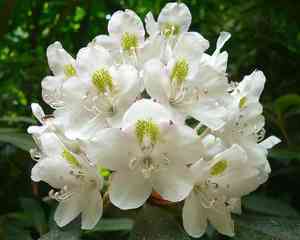
The Great laurel, or Rhododendron maximum, is a sturdy plant recognized for its ability to withstand cold weather. This evergreen shrub can endure even the harshest North American winters, making it a favored option for gardens in chilly regions. Its hardiness allows it to survive temperatures as low as -25°C (-13°F). Nevertheless, ensuring the plant flourishes through winter demands specific care strategies.
Preparing Great laurel for Winter
When to Start Preparing
Preparation for Great laurel's winter dormancy should commence in late autumn, ideally around November. This timing provides ample opportunity to ready the plant before the initial hard frost, ensuring it has the best possible start to endure the winter season.
Pruning Best Practices
Pruning your Great laurel is vital for its winter survival. Remove any dead or diseased branches to prevent the potential spread of decay during the damp winter months. Additionally, thinning out dense areas will enhance air circulation, lowering the risk of fungal infections. Aim to prune in the fall, allowing the plant time to seal any cuts before the first frost.
Fertilization Tips
Applying a slow-release, balanced fertilizer in the fall will help Great laurel accumulate nutrients necessary for the winter months. Avoid high-nitrogen fertilizers, which can stimulate new growth that will not survive the cold. Instead, opt for one with balanced N-P-K ratios like a 10-10-10 or a slow-release organic alternative.
How to Protect Great laurel from Severe Frost
Mulching Techniques for Winter
Mulching is one of the most effective methods to shield Great laurel roots from freezing temperatures. Apply a 5-8 cm (2-3 inches) layer of mulch around the plant's base. Organic mulches such as pine bark, wood chips, or leaf mold are ideal as they also improve soil quality upon decomposition.
Using Protective Covers
Covering your Great laurel can offer an additional layer of frost protection. Use burlap or frost cloth to wrap the plant, but ensure it is not too tight to allow air circulation. Secure the cover around the base without compressing the branches, and remove it once severe frost is no longer a threat.
Watering and Soil Care in the Winter Months
Adjusting Watering Frequency
Even though Great laurel is dormant during winter, it still needs occasional watering. Reduce watering frequency as temperatures drop, but never let the soil completely dry out. Water during dry periods when temperatures are above freezing to maintain soil moisture.
Ensuring Proper Drainage
Proper drainage is crucial in preventing root rot during the wet winter months. Ensure that the soil around your Great laurel slopes away from the plant base to prevent water pooling. If necessary, amend the soil with organic matter to enhance drainage.
Monitoring and Addressing Winter Damage
Identifying Common Winter Issues
Winter damage in Great laurel can appear as browning leaves, dieback, and bark splits. Frost damage, windburn, and desiccation are frequent problems. Regularly inspect your plant for these indicators throughout the winter.
Steps to Rehabilitate Damaged Great laurel
If your Great laurel sustains winter damage, prune back affected areas in early spring. Ensure the plant is well-watered and consider applying a balanced fertilizer to encourage new growth. Mulching in the spring can also help retain soil moisture and provide nutrients as it decomposes.



