How to Overwinter Flame azalea
1
Flame azalea tolerates temperatures down to -25°C (-13°F).
2
Applying mulch aids in protecting Flame azalea roots from cold during winter.
3
Winter watering for Flame azalea should be less frequent but not entirely ceased to maintain its health.
Understanding Flame azalea Winter Needs
Understanding Flame azalea Winter Needs
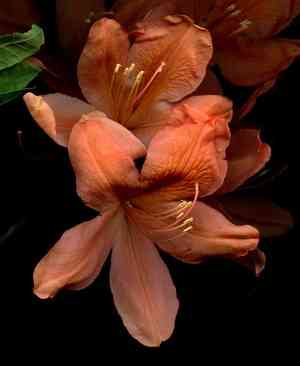
The Flame azalea (Rhododendron calendulaceum) is a stunning, deciduous shrub prized for its vibrant late-spring to early-summer blossoms. However, nurturing this plant through the colder months can be challenging. Knowing how to address its winter requirements is crucial for its continued flourishing year after year. Here, we explore all the necessary steps for successfully overwintering your Flame azalea.
Preparing the Soil for Winter
Soil Composition for Flame azalea
To ready your Flame azalea for winter, begin by ensuring the soil is rich and drains effectively. The optimal soil pH for Flame azalea is acidic, typically ranging from 4.5 to 6.0. Enhance the soil with organic matter like compost or peat moss to boost its nutrient content and drainage capability. Well-prepared soil helps the plant endure harsh winter conditions more effectively.
Mulching Techniques
Mulching is a vital step to insulate the roots of your Flame azalea from freezing temperatures. Apply a 5-7 cm (2-3 inches) thick layer of organic mulch, such as pine needles or wood chips, around the plant's base. This method helps retain soil moisture and provides thermal insulation, safeguarding the roots from temperature fluctuations.
Protection from Frost and Cold
How Cold Is Too Cold for Flame azalea?
While Flame azalea is frost-hardy, it's important to understand its limits. Generally, this plant can withstand temperatures as low as -25°C (-13°F). However, prolonged exposure to severe cold can harm it. Additional protection is needed when temperatures drop below this threshold to prevent damage.
Using Burlap and Covers
One of the most effective ways to shield your Flame azalea from extreme cold is by using burlap wraps or garden covers. When severe frost is predicted, cover your plant with burlap, ensuring it's securely fastened but not too tight to allow some air circulation. This protective layer will minimize the risk of cold damage and keep your plant cozy throughout the cold months.
Watering During Winter
Frequency of Watering
During winter, the watering requirements of Flame azalea significantly decrease. However, it's essential to keep the soil slightly moist to prevent dehydration. Water the plant thoroughly before the first significant frost, and then water sparingly, approximately once every two weeks, depending on your local climate and soil conditions.
Avoiding Overwatering
Overwatering can lead to root rot, especially in winter when the soil takes longer to dry. Ensure the soil drains well and avoid waterlogging by checking moisture levels frequently. A good guideline is to water only when the top 2.5 cm (1 inch) of soil feels dry to the touch.
Pruning and Maintenance
Timing and Techniques for Pruning
Pruning your Flame azalea at the correct time is crucial for its health and appearance. The best time to prune is late fall, after the plant has finished blooming but before severe winter weather arrives. Remove any dead or diseased branches and thin out crowded areas to improve air circulation and reduce the risk of disease.
Maintaining Plant Health
Regular maintenance practices, such as removing fallen leaves and debris from around the plant, help reduce the risk of fungal diseases and pests. Additionally, applying a balanced, slow-release fertilizer in early fall can provide the nutrients your Flame azalea needs to strengthen before winter.
Common Issues and Troubleshooting
Identifying Winter Pests
Even in colder months, certain pests can affect Flame azalea. Watch for signs of scale insects, spider mites, or aphids, which can cause damage if left unchecked. Regularly inspect your plant and apply appropriate treatments, such as horticultural oil or insecticidal soap, if infestations occur.
Addressing Cold Damage
Despite your best efforts, your Flame azalea might still show signs of cold damage, such as browning leaves or dieback. In such cases, remove the damaged parts to prevent further stress on the plant. Ensure proper plant care is resumed once temperatures rise, and consider adding extra mulch or protective covers in the future.



