How to Overwinter Indian hawthorn
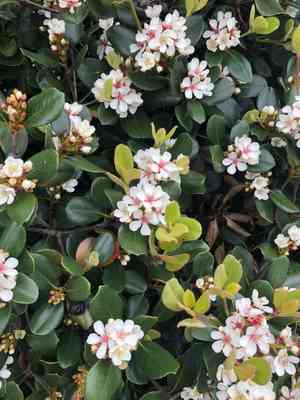
1
Indian hawthorn is a resilient plant, able to endure fairly low temperatures.
2
Trimming your Indian hawthorn prior to winter is crucial to avoid harm and promote robust spring development.
3
Consistent health inspections and appropriate winter care can avert typical problems such as frost damage and pest outbreaks.
Why is Overwintering Indian hawthorn Important?
Why is Overwintering Indian hawthorn Important?
Safeguarding your Indian hawthorn through winter is crucial for its survival and vigorous growth in spring. This process involves shielding the plant from harsh winter elements like frost, snow, and strong winds. Without adequate care, the plant may suffer from frost damage, dehydration, and other stresses that could lead to stunted development or even death. By dedicating time to prepare and protect your Indian hawthorn, you are ensuring its success in the upcoming growing season.
Preparing Indian hawthorn for Winter
Assessing Current Plant Health
Before the onset of winter, it's vital to evaluate the condition of your Indian hawthorn. Look for indications of disease, pest infestations, or any existing damage. Addressing these issues early can prevent them from worsening during the colder months. Trim any dead or diseased branches to minimize the risk of infection spreading.
Pruning Techniques for Winter
Pruning your Indian hawthorn before winter is essential. Remove any dead or compromised branches to prevent breakage under the weight of snow or ice. Shorten excessively long branches to maintain a compact and manageable form. This will also stimulate new growth when spring arrives. Utilize clean, sharp pruning shears to make precise cuts and reduce the chance of disease.
Soil Preparation and Mulching
Proper soil preparation and mulching are critical steps in overwintering your Indian hawthorn. Start by ensuring the soil drains well to prevent waterlogging, which can lead to root rot. Apply a layer of mulch, approximately 5-7 cm (2-3 inches) thick, around the base of the plant. Mulch acts as an insulating barrier, protecting the roots from temperature fluctuations and retaining soil moisture.
Protecting Indian hawthorn During Winter
Using Frost Cloths or Covers
Frost cloths or covers can offer an additional layer of defense for your Indian hawthorn during particularly cold evenings. Drape the fabric over the plant, ensuring it reaches the ground to effectively trap warmth. Be sure to remove the cover during daylight hours to allow for sunlight and air circulation.
Optimizing Plant Placement
If feasible, consider moving your Indian hawthorn to a more sheltered location in your garden. Positioning it near a south-facing wall or beneath the canopy of larger trees can provide some natural protection from cold winds and frost.
Watering Practices in Cold Weather
It's important to maintain appropriate watering habits during winter. Water your Indian hawthorn thoroughly before the first frost to ensure it is adequately hydrated. During winter, decrease the frequency of watering but never allow the soil to become completely dry. Overhead watering should be avoided to prevent ice formation on the plant.
Monitoring Indian hawthorn Throughout Winter
Regular Health Checks
Perform routine health inspections on your Indian hawthorn throughout the winter months. Watch for signs of stress, frost damage, or pest activity. Early detection and intervention can prevent minor problems from escalating.
Dealing with Winter Pests
Winter pests can still affect your Indian hawthorn, so remain vigilant. Common pests like aphids and spider mites may seek refuge on your plant. Use organic pesticides or neem oil to promptly treat infestations. Clearing fallen leaves and debris around the plant can also reduce the likelihood of pest issues.
Recognizing Signs of Stress
Observe your plant for indicators of stress, such as wilting, discoloration, or unusual leaf drop. These symptoms can suggest that your Indian hawthorn is struggling with the cold conditions. Adjust your care routine accordingly, perhaps by adding more mulch or modifying watering practices.
Spring Transition for Indian hawthorn
Gradual Exposure to Warm Temperatures
As winter shifts to spring, slowly acclimate your Indian hawthorn to warmer temperatures. Remove any protective coverings during the day when temperatures are milder, and re-cover them at night if frost remains a threat. This helps the plant adjust to the changing conditions without shock.
Spring Pruning and Maintenance
Once the danger of frost has passed, give your Indian hawthorn a thorough pruning to remove any dead or damaged growth that occurred over winter. This promotes healthy new growth and helps maintain the plant's shape. Additionally, inspect the soil and replenish the mulch layer if necessary.
Feeding and Fertilizing
Spring is the ideal time to nourish and fertilize your Indian hawthorn to encourage vigorous growth. Use a balanced fertilizer to supply essential nutrients. Follow the instructions on the fertilizer packaging to avoid overfeeding, which can harm the plant.



