How to Overwinter Emerald tree
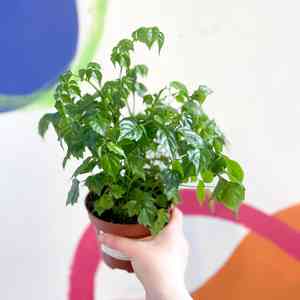
1
The Emerald tree is sensitive to frost and cannot survive cold outdoor winters.
2
The perfect indoor temperature for the Emerald tree in winter ranges from 18-24°C (65-75°F).
3
Lessen watering frequency during winter, letting the soil become dry between waterings.
Why Is Overwintering Necessary for Emerald tree?
Why Is Overwintering Necessary for Emerald tree?
As a plant sensitive to cold, the Emerald tree cannot endure freezing temperatures. Bringing it indoors for winter shields it from harsh weather, ensuring its vitality and longevity. By properly moving your Emerald tree inside before the first frost, you create a stable environment that protects it from potential cold damage.
Preparing Emerald tree for Winter
Inspecting for Pests and Diseases
Before relocating your Emerald tree indoors, thoroughly check it for indications of pests or illnesses. Examine the leaves, stems, and soil for any tiny insects, webs, or spots. Early pest removal prevents their indoor spread. If issues are found, treat them with suitable methods like insecticidal soap or neem oil.
Pruning and Trimming
Trim your Emerald tree to remove any dead or damaged branches. Pruning helps control the plant's size, making it easier to manage indoors and encouraging healthy development. Focus on eliminating overgrown and weak or unhealthy branches.
Cleaning the Pot and Soil
Clean the container to remove debris and check for any signs of fungal growth. Replace the top layer of soil with fresh, sterile potting mix to ensure a healthy indoor environment for your Emerald tree. This step helps prevent soil-borne pests and diseases from flourishing.
Ideal Indoor Conditions for Emerald tree
Temperature Requirements
The best indoor temperature for the Emerald tree during winter is between 18-24°C (65-75°F). Avoid placing the plant near drafts or heating vents, as sudden temperature shifts can stress the plant and hinder growth.
Light Requirements
Position your Emerald tree where it can receive bright, indirect sunlight. While it needs ample light, direct sun can scorch its leaves. A spot near an east or west-facing window is perfect for balanced light exposure.
Humidity Levels
The Emerald tree prefers moderate humidity. Maintain humidity levels around 40-60%. During dry winter months, consider using a humidifier or placing a water tray near the plant to keep the air moist. Misting the leaves can also provide needed humidity.
Watering and Feeding Emerald tree During Winter
Adjusting Watering Frequency
Reduce how often you water during winter. Allow the soil to dry out between waterings to prevent root rot. Water the plant only when the top 2-3 cm (1 inch) of soil feels dry to the touch.
When to Stop Fertilizing
During the colder months, the Emerald tree's growth slows. Stop fertilizing in late fall and restart in early spring when new growth begins. This break prevents nutrient buildup in the soil, which can be detrimental during dormancy.
Signs of Stress in Overwintered Emerald tree
Yellowing Leaves
Yellowing leaves can signal overwatering, underwatering, or insufficient light. Check soil moisture and light exposure to diagnose the problem. Adjust your care routine accordingly to restore the plant's health.
Wilted Appearance
A wilted look may stem from improper watering practices or inadequate humidity. Ensure the plant gets enough water and maintain appropriate humidity levels to revive its vigor.
Dropping Leaves
Leaf drop is another indicator of stress, often linked to abrupt environmental changes. Gradually introduce the Emerald tree to its new indoor setting to minimize shock and prevent leaf loss.
Transitioning Emerald tree Back Outdoors
Gradual Reintroduction to Outdoor Conditions
When spring arrives, slowly reintroduce your Emerald tree to outdoor conditions. Begin by placing it outside in a shaded area for a few hours daily, progressively increasing its exposure to sunlight and outdoor temperatures over several weeks.
Resume Regular Care Regimen
As the weather warms, resume standard care practices including regular watering and feeding schedules. Ensure the plant is accustomed to its outdoor environment before transitioning to a full outdoor care routine.



