How to Overwinter Live oak
1
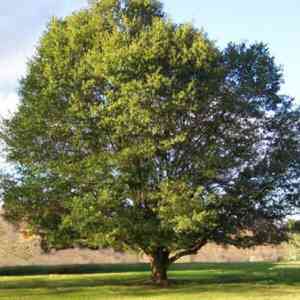
Live oak is a robust evergreen tree capable of enduring colder climates, though appropriate maintenance guarantees its vitality.
2
Effective mulching and irrigation methods are crucial for safeguarding your Live oak throughout the winter.
3
Frequent checks can aid in detecting indicators of stress promptly and implementing remedial measures during the colder months.
Understanding Live oak and Its Winter Hardiness
Understanding Live oak and Its Winter Hardiness
Live oak, known for its impressive size and expansive branches, is a resilient evergreen capable of enduring colder temperatures. Originating from the southeastern United States, it flourishes in diverse climates, demonstrating robustness during winter. However, despite its strong constitution, Live oak benefits from specific winter care practices to maintain its vitality and lifespan. Grasping the treeâs winter hardiness is key to implementing necessary protective measures during severe weather.
Preparing Live oak for Winter
Inspecting the Tree
Prior to winter's arrival, dedicate time to thoroughly examine your Live oak. Search for indications of illness, harm, or pests. Prompt detection of any problems enables you to address them before cold weather worsens them. Inspect the trunk, branches, and leaves, noting any areas needing attention to ensure the treeâs health as winter approaches.
Pruning and Trimming
Pruning and trimming are crucial steps in readying your Live oak for winter. Remove any dead or diseased branches, as leaving them can increase the tree's vulnerability to damage during storms. Trimming also helps reduce branch weight, preventing breakage under snow or ice. Always use clean, sharp tools for precise cuts, and avoid heavy pruning late in the season to prevent stimulating new growth susceptible to frost damage.
Providing Adequate Watering
Proper Watering Techniques
Watering your Live oak correctly during colder months is vital. It's important to ensure the tree stays hydrated even as temperatures drop. Water deeply but less often, making sure the soil is moist (not waterlogged), about 2 to 3 feet (0.6 to 0.9 meters) deep. A thorough soaking once a week should be enough, but always adjust based on local weather conditions.
Avoiding Over-Watering
Excessive watering can be as detrimental as insufficient watering, particularly in winter. Saturated soil can lead to root rot and other fungal issues. Ensure your soil drains well and allow the top layer to dry between watering sessions. A moisture meter can be a useful tool to prevent over-watering.
Mulching for Winter Protection
Types of Mulch
Mulching is an excellent method to shield your Live oak from the cold. Organic mulches, such as wood chips, bark, or compost, are ideal as they offer insulation and decompose over time, enriching the soil. Aim for a mulch layer approximately 2 to 4 inches (5 to 10 centimeters) thick to effectively protect the roots from temperature fluctuations.
Application Techniques
Apply mulch around the tree's base, extending it to the drip line. Be careful not to pile mulch against the trunk, as this can cause decay. Instead, create a mulch-free zone of a few inches around the trunk. This method ensures root protection while keeping the trunk dry and healthy.
Monitoring Weather Conditions
Understanding Frost and Its Impact
Frost can be particularly harmful to Live oak, despite its hardiness. Understanding how frost affects your tree will help you take preventative measures. Frost can cause bark to crack and damage new growth if it occurs in late fall or early spring. Monitoring local weather forecasts can aid in preparation.
Using Frost Cloths and Covers
When frost is anticipated, covering your Live oak with frost cloths or blankets can offer additional protection. Secure the coverings with stakes or weights to prevent them from blowing away. Just remember to remove them during the day to allow sunlight and air circulation.
Inspecting Live oak During Winter
Regular Check-Ups
Even in winter, your Live oak requires consistent inspections. Look for signs of stress, such as wilting, discoloration, or unusual leaf shedding. Early identification of problems allows for prompt interventions, which can prevent minor issues from becoming major threats.
Identifying Stress Signs
Stress in Live oak can manifest in various ways. Look for bark cracks, unusual leaf drop, or branches that appear weak or brittle. These indicators can suggest the tree is struggling due to cold stress or other factors. Addressing these issues early can save your tree and ensure its continued health.
Post-Winter Care for Live oak
Assessing Winter Damage
Once winter has passed, it's time to evaluate your Live oak for any damage. Look for broken branches, damaged bark, or signs of disease. A thorough inspection will help you understand the tree's post-winter condition and what steps to take next.
Spring Pruning and Feeding
Spring is the ideal time to give your Live oak some extra care. Prune any branches damaged during winter and consider fertilizing the tree with a balanced nutrient mix. This helps replenish nutrients and supports new growth. Regular pruning and feeding will prepare the tree for a healthy growing season.



