How to Overwinter Northern red oak
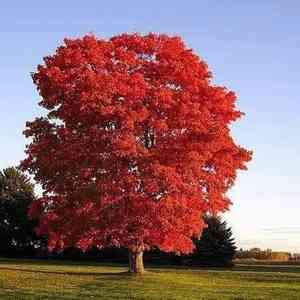
1
Northern red oak withstands cold temperatures but thrives with additional attention in severe winter conditions.
2
Ensuring adequate soil hydration is vital to avoid root harm in colder months.
3
Remove dead or injured limbs prior to winter's arrival to deter illness.
Why Overwinter Northern red oak?
Why Overwinter Northern red oak?
The Northern red oak is a hardy, cold-tolerant tree capable of enduring winter. However, preparing this magnificent tree for winter ensures its vitality and development in the subsequent spring. Proper winter care reduces stress from freezing temperatures and guards against pests and diseases that can emerge in colder periods. Ensuring your Northern red oak is well-prepared can lead to more vigorous growth and lush foliage when warmer weather returns.
Steps to Overwinter Northern red oak
Pruning Tips for Winter
Pruning is a vital step in caring for your Northern red oak before winter. Start by removing any dead, diseased, or damaged branches to prevent disease spread and lessen tree stress. It's best to prune in late autumn, after the tree has entered dormancy. Use clean, sharp tools for precise cuts to avoid bark tearing. This will ensure the tree heals better and is more resilient against the cold.
Mulching for Protection
Mulching is another crucial aspect of overwintering your Northern red oak. Apply a thick layer of organic mulch, such as shredded bark or wood chips, around the tree's base, extending to the drip line. This insulates the roots from temperature shifts and retains soil moisture. Aim for a mulch layer about 5 to 10 centimeters (2 to 4 inches) thick. Avoid piling mulch against the trunk, as this can create a pest habitat and cause rot.
Watering Needs During Winter
While Northern red oak is dormant in winter, it still needs adequate moisture. Ensure the soil around your tree is moist but not waterlogged before the ground freezes. This moisture helps prevent root damage and keeps the tree healthy. If winter is particularly dry, water the tree on warmer days to maintain soil moisture. Typically, you'll want to provide about 2.5 centimeters (1 inch) of water every two to three weeks.
Preventing Pests and Diseases
Winter can bring its own challenges, including pests and diseases. Inspect your Northern red oak for any signs of pests or fungal infections before winter arrives. Clean up fallen leaves and debris around the tree's base to reduce pest habitats. Consider using tree wraps or protective barriers if pests are a significant concern in your area. Additionally, avoid using high-nitrogen fertilizers in the fall, as these can promote late-season growth that is vulnerable to damage.



