How to Overwinter Swamp chestnut oak
1
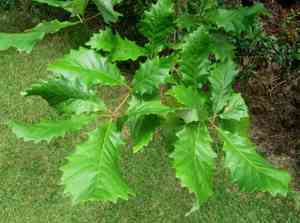
Quercus michauxii trees originate from the southeastern US and flourish in USDA hardiness zones 5 to 9.
2
These trees can reach heights of 18-21 meters (60-70 feet) and are recognized for their wide, rounded canopies.
3
Appropriate winter maintenance is vital to avoid frost heaving and damage from rodents, which can significantly affect your tree's well-being.
What Makes Swamp chestnut oak Hardy?
What Makes Swamp chestnut oak Hardy?
The Swamp chestnut oak is well-known for its resilience, making it a favored option for cultivation in temperate zones. Hailing from the southeastern United States, these oaks are accustomed to varied climatic conditions, from scorching summers to frigid winters. Their toughness stems from their robust root systems that delve deep into the earth, offering stability and nutrient access even in harsh environments. Furthermore, their thick bark serves as a natural insulator, safeguarding the tree from extreme temperatures and frost.
Steps to Prepare Your Swamp chestnut oak for Winter
Inspecting the Plant Health
Prior to the onset of cold weather, it's crucial to examine your Swamp chestnut oak for any indications of illness or harm. Look for discolored foliage, bark fissures, and any signs of pest infestations. Addressing these issues early can prevent them from worsening throughout the winter. If you're uncertain about a specific symptom, consult a local arborist or plant expert.
Pruning and Cleaning Debris
Trimming your Swamp chestnut oak in late autumn helps remove dead or decaying branches that might otherwise become more vulnerable to damage from heavy snow or ice. Always use clean, sharp pruning tools for precise cuts. Clearing debris from around the tree's base reduces the risk of pests and diseases establishing themselves during the winter months.
Mulching
Applying a layer of mulch around the tree's base, approximately 5-7.5 cm (2-3 inches) thick, can significantly aid in retaining soil moisture and insulating the roots from the cold. Organic mulches like wood chips or bark are particularly effective as they gradually decompose, enriching the soil with valuable nutrients.
Watering before Freeze
A frequently overlooked tip is to thoroughly water your Swamp chestnut oak before the ground freezes. This is especially vital if the autumn has been dry. Watering provides the tree with a moisture reserve to draw upon during the winter months. Aim to saturate the soil around the root zone, ensuring it penetrates to a depth of 30-45 cm (12-18 inches).
Protecting the Roots
In addition to mulching, consider installing a tree guard or trunk wrap around the tree's base. This protective barrier helps shield the roots from extreme cold and also deters rodents, which may gnaw on the bark during winter in search of food.
Common Problems and Solutions During Winter
Handling Frost Heave
Frost heave occurs when the soil repeatedly freezes and thaws, causing the ground to shift and potentially harm your tree's root system. To mitigate this, ensure your Swamp chestnut oak is adequately mulched and avoid compacting the soil around the tree's base. Regularly check soil conditions and gently press it back if you notice any heaving.
Preventing Rodent Damage
Rodents, such as mice and voles, can cause considerable damage by gnawing through tree bark during winter. To prevent this, place a cylinder of hardware cloth (about 1-2 cm or 0.5-1 inch mesh size) around the tree's base, extending it a few centimeters (inches) below the soil surface. Additionally, keeping the area around the tree free from fallen branches and seeds can reduce rodent attraction.



