How to Overwinter Southern red oak
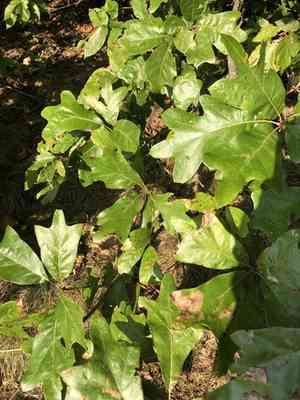
1
Applying mulch insulates the ground and helps keep it moist in colder months.
2
Remove any dead branches to lower the chance of illness throughout winter.
3
Check soil dampness regularly to avoid root harm from freezing temperatures.
Why Overwinter Southern red oak?
Why Overwinter Southern red oak?
For garden upkeep, ensuring your Southern red oak flourishes through winter is crucial. This tree, native to the southeastern U.S., is known for its hardiness, yet it still benefits from extra care as temperatures drop. Overwintering helps minimize damage from harsh winter conditions, promoting healthy growth in spring. By taking proactive steps, you can shield your tree from frost, wind, and potential pests.
Preparing Southern red oak for Winter
Pruning and Cleaning Up
Before winter arrives, give your Southern red oak a thorough trim. This involves removing any dead, diseased, or crossing branches. This not only prevents disease spread but also reduces the risk of branches breaking under snow and ice. Clear away any fallen leaves and debris around the tree's base to prevent fungal infections.
Mulching Around the Base
Mulching is vital for protecting your Southern red oak's roots during winter. Apply a 5-10 cm (2-4 inches) thick layer of organic mulch, like wood chips or shredded bark, around the tree's base. This insulates the soil, retains moisture, and prevents freeze-thaw cycles that can harm roots. Ensure the mulch doesn't touch the trunk directly to avoid rot.
Watering Needs Before Winter
Ensuring your Southern red oak is well-hydrated before the ground freezes is essential. Deep watering in late autumn helps the tree build up a good moisture reserve. Water the tree thoroughly, soaking the ground to a depth of 30-45 cm (12-18 inches). Avoid watering once the ground is frozen, as this can lead to waterlogging and root damage.
How to Protect Southern red oak from Harsh Winter Conditions?
Using Burlap to Shield from Wind
Strong winter winds can significantly harm your Southern red oak. Wrapping the trunk and lower branches with burlap can help protect them from cold, drying winds. Secure the burlap but ensure it's loose enough for air circulation and to prevent moisture buildup, which can cause rot.
Monitoring Soil Moisture Levels
Even in winter, it's crucial to monitor the soil moisture levels around your Southern red oak. Dry soil can lead to desiccation, while overly wet soil can result in root rot. Aim to keep the soil consistently moist but not waterlogged. During dry periods, consider providing a light watering if the ground isn't frozen.
Preventing Disease and Pests
Winter is a time when diseases and pests can take hold, especially if your Southern red oak is already stressed. Regularly inspect your tree for signs of disease, such as unusual spots on the bark or abnormal growth patterns. Treat promptly if any issues are detected using appropriate fungicides or insecticides. It's also beneficial to remove any fallen leaves and debris around the tree's base, which can harbor pests and disease.
What to Do When Winter Ends?
Gradual Acclimatization to Warmer Temperatures
As winter transitions to spring, avoid exposing your Southern red oak to sudden temperature changes. Gradually remove any protective burlap and monitor the weather to prevent frost damage. This slow transition helps prevent shock and ensures a healthier start to the growing season.
Springtime Pruning and Care
Once the threat of frost has passed, it's time to give your Southern red oak some springtime care. Prune any damaged or dead branches that may have succumbed to the winter weather. This promotes healthy growth and improves the overall structure of the tree. Additionally, apply a balanced fertilizer to support robust new growth and prepare the tree for the warmer months ahead.



