How to Overwinter Scarlet oak
1
Scarlet oak tolerates cold well, enduring temperatures down to -9°C (15°F).
2
Adequate mulching insulates roots, safeguarding them from freezing conditions.
3
Check for diseases such as oak wilt, which can harm the tree during colder months.
Understanding Scarlet oak's Frost Hardiness
Understanding Scarlet oak's Frost Hardiness
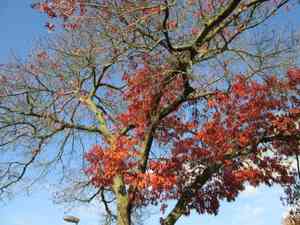
The Scarlet oak (Quercus coccinea) is renowned for its striking autumn foliage, displaying vibrant red leaves that make it prominent in any landscape. Indigenous to the eastern and central United States, this magnificent tree is quite resilient and can endure cold temperatures. Scarlet oak is categorized as frost-hardy, meaning it can tolerate temperatures as low as -9°C (15°F). However, ensuring your Scarlet oak thrives through winter requires careful preparation and safeguarding from the harshest conditions.
Preparing Scarlet oak for Winter
When to Start Preparing
Start getting your Scarlet oak ready for winter in late summer to early fall, ideally around August or September. This timeframe allows the tree to gradually adapt to decreasing temperatures. Early preparation is crucial for ensuring the tree is healthy and strong enough to face the upcoming winter.
Pruning and Mulching Techniques
Trim your Scarlet oak to remove any dead or weak branches that could snap under the weight of snow or ice. This pruning should be done carefully to prevent undue stress on the tree. Apply a layer of mulch around the tree's base, approximately 5-10 cm (2-4 inches) thick. Mulching helps insulate the roots and retain moisture, which is vital during cold months.
Watering Strategies Before Winter
Before the ground freezes, thoroughly water your Scarlet oak. Hydrating the tree helps it withstand the drying effects of winter winds. Aim to water deeply, reaching the root zone. Using about 38-45 liters (10-12 gallons) per watering session should be sufficient. Consistent watering should continue until the ground begins to freeze.
Inspecting for Disease and Pests
Examine your Scarlet oak for any indications of disease or pests such as oak wilt or leaf miners. Early detection and treatment are critical as these issues can weaken the tree, making it more vulnerable to winter damage. If you observe any symptoms, treat them promptly using recommended fungicides or insecticides.
How to Protect Scarlet oak During Winter
Using Windbreaks and Shading
Strong winter winds can harm your Scarlet oak. Installing windbreaks like burlap screens or positioning larger evergreens nearby can help shield the tree. Shading the trunk can also prevent sunscald, a condition where the bark cracks due to rapid temperature changes.
Applying Protective Wrapping
For young Scarlet oak trees, wrapping the trunk with tree guards or burlap can offer additional protection from freezing temperatures and animal damage like deer rubbing. Ensure the wrapping is snug but not overly tight to allow for natural growth and air circulation.
Managing Snow Load
Snow accumulation on the branches can cause them to break, especially during heavy snowfalls. Gently brush off snow from the branches using a broom, but avoid shaking the tree as this might cause more harm than good. Regularly managing snow load can help maintain the tree's structure and health.
Post-Winter Care for Scarlet oak
Inspecting for Winter Damage
Once the winter season concludes and temperatures start to rise, inspect your Scarlet oak for any damage. Look for broken branches, bark injury, or signs of disease that may have worsened over winter. Noting these will help you plan the necessary recovery steps.
Early Spring Pruning
In early spring, prune the tree to remove any damaged or dead branches. This not only aids in the tree's recovery but also encourages healthy growth as the growing season commences. Make clean cuts and avoid over-pruning, as too much can stress the tree.
Resuming Regular Watering and Feeding
As temperatures increase, resume regular watering and feeding schedules. Use a balanced fertilizer to support new growth. Ensure the soil remains moist but not waterlogged. Consistent care in the spring sets the stage for a robust and healthy growing season for your Scarlet oak.



