How to Overwinter Sawtooth oak
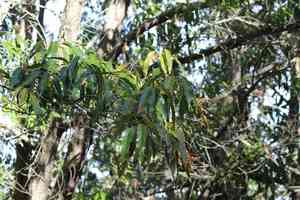
1
Sawtooth oak trees are known for their frost tolerance, enduring temperatures down to -23°C (-10°F).
2
Adequate winterization greatly enhances the Sawtooth oakâs ability to resist freezing temperatures.
3
Mulching aids in preserving soil moisture and safeguarding the tree's root system from extreme cold.
What is Overwintering for Sawtooth oak?
What is Overwintering for Sawtooth oak?
Overwintering describes the method of preparing and safeguarding plants throughout the cold winter months. For the Sawtooth oak, a tree frequently found in both urban and rural settings, overwintering involves several steps to guarantee its health and vigor in spring. Despite its frost-hardiness, implementing specific measures can prevent winter harm and boost its growth in the subsequent season.
Preparing Sawtooth oak for Winter
Assessing the Tree's Health
Prior to winter's arrival, it's essential to evaluate the overall condition of your Sawtooth oak. Check for indications of illness, pest infestations, or structural weaknesses that could worsen due to winter conditions. Addressing these issues beforehand can avert further damage and ensure the tree stays healthy through the frosty period.
Pruning and Maintenance
Pruning is crucial for managing the Sawtooth oak's health and form, particularly before winter. Remove any dead, damaged, or diseased branches to lessen the chance of breakage under snow or ice. Pruning enhances air circulation and decreases the stress that heavy snow can place on branches.
Mulching and Soil Preparation
Applying a layer of mulch around the base of the Sawtooth oak aids in retaining soil moisture, regulating soil temperature, and providing insulation for the roots. Utilize organic mulch, such as wood chips or straw, and apply it approximately 2-4 inches (5-10 centimeters) deep, ensuring it's not piled against the trunk to prevent rot.
How to Protect Sawtooth oak During Harsh Winters?
Applying Protective Wrapping
In areas with especially severe winters, consider using burlap or tree wrap to shield the trunk of the Sawtooth oak from freezing temperatures and damaging winds. This is particularly beneficial for younger trees with thinner bark, which are more susceptible to cold injury.
Watering Requirements
Thoroughly watering the tree before the ground freezes ensures that the Sawtooth oak enters winter well-hydrated. This is vital, as dry soil can intensify winter desiccation, leading to damage when the roots are unable to absorb water.
Monitoring Weather Conditions
Keep a close watch on the weather forecast, especially when extreme cold spells are predicted. Additional protective measures, such as extra mulching or temporary wind barriers, can be employed to safeguard the Sawtooth oak from harsh conditions.
What to Do Post-Winter for Sawtooth oak?
Inspecting for Damage
As the winter thaw commences, carefully examine your Sawtooth oak for any signs of winter damage. Look for broken branches, cracks in the trunk, or indications of frost damage. Early detection allows for prompt repairs and can often prevent further complications.
Post-Winter Pruning
After assessing the damage, perform post-winter pruning to remove any broken or dead branches. This helps the tree direct its energy towards new growth and reduces the risk of disease. Make clean cuts with sterilized tools to prevent infection.
Spring Fertilizing
Spring is an excellent time to fertilize your Sawtooth oak. Use a balanced, slow-release fertilizer to support new growth and replenish nutrients that may have been depleted over the winter. Follow recommended guidelines for your specific tree size and soil conditions.



