How to Overwinter Bradford pear
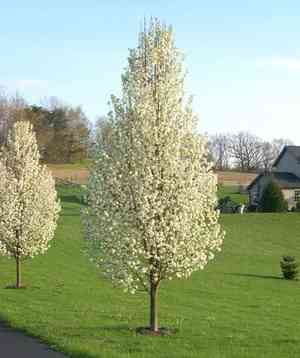
1
Bradford pear trees exhibit considerable resilience and can endure low temperatures with appropriate maintenance.
2
Applying mulch is crucial for safeguarding the root system of your Bradford pear against severe winter weather.
3
Frequent checks during the winter months allow for early detection and resolution of potential issues.
Why Overwinter Bradford pear?
Why Overwinter Bradford pear?
Preparing your Bradford pear tree for winter is crucial for its health and vitality in subsequent growing seasons. While these trees are generally resilient, taking specific steps can minimize cold damage, optimize nutrient retention, and ensure a strong spring. Winterization practices help avert problems like winter burn, pests, and diseases that can severely impact the tree's well-being.
How Frost-Hardy Is the Bradford pear?
Understanding Frost Hardiness
Grasping frost hardiness is vital for managing your Bradford pear during the colder months. Bradford pears are categorized as robust trees, meaning they can endure a certain level of frost. However, this doesn't render them immune to severe conditions. Plant resilience is influenced by various factors, including the tree's age, health, and environmental setting. A mature tree with strong roots, for instance, can better withstand frost than a younger, less developed one.
Ideal Temperature Range
Bradford pear trees thrive in USDA hardiness zones 5 through 9, which corresponds to a temperature range of approximately -28 to 37°C (-20 to 98°F). For peak health, safeguarding the tree when temperatures drop below -12°C (10°F) is critical. Extreme cold can lead to frost cracks on the trunk and branches, compromising the tree's structural integrity. Employing mulching and burlap wraps can provide additional defense against harsh cold snaps.
What Are the Best Practices to Overwinter Bradford pear?
Soil Preparation for Winter
Preparing the soil is a key step in winterizing your Bradford pear. Ensure the soil drains well to prevent waterlogging, which can cause root rot during winter. Incorporating compost before the ground freezes will enrich the soil's nutrient content and structure, providing a solid base for the tree's roots. Additionally, aerating the soil can help improve root oxygenation.
Mulching Techniques
Mulching is indispensable for safeguarding your Bradford pear tree during winter. Apply a 5-10 cm (2-4 inch) layer of organic mulch, such as wood chips or straw, around the tree's base. This mulch acts as an insulating layer, preserving moisture and maintaining a consistent soil temperature. Be careful not to pile mulch directly against the tree trunk to prevent rot and pest infestations.
Pruning for Winter
Winter is an opportune time to prune your Bradford pear because the tree is dormant, which minimizes the risk of disease transmission. Remove any dead or damaged branches and thin out crowded branches to enhance air circulation. Pruning helps maintain the tree's form and prevents limbs from breaking under the weight of snow and ice. Always use clean and sharp tools for precise cuts.
Watering Needs
While Bradford pear trees don't require much water during winter, it's essential to keep the soil slightly moist to prevent dehydration. Before the first significant freeze, give the tree a thorough watering to ensure the roots are well-hydrated. Use approximately 20-30 liters (5-8 gallons) of water for mature trees. Avoid watering during freezes, as it can cause the soil to become compacted.
Common Issues When Overwintering Bradford pear
Pest Control
Pests such as aphids, scale, and borers can pose problems for Bradford pear trees even in winter. Apply dormant oil spray in late fall to manage these pests effectively. This treatment suffocates overwintering pests without harming beneficial insects. Regularly inspect your tree for signs of infestations, such as small holes or sticky residue on the bark.
Fungal Diseases
Fungal diseases can affect Bradford pear trees, especially in cold, damp conditions. Prevent these by keeping the area around the tree clean and free from fallen leaves and debris, which can harbor fungal spores. Applying a copper-based fungicide before the first frost and during early spring can provide an additional layer of protection.
Winter Burn
Winter burn is a frequent issue for Bradford pear trees, particularly in areas with harsh, cold winds. Winter burn appears as browning or drying of the leaves and bark. To prevent this, wrap the tree trunk and lower branches with burlap or frost cloth. Ensure the wraps are secure but not too tight, allowing for proper air circulation.
Monitoring Bradford pear Throughout the Winter
Regular Inspections
Regular inspections are crucial for early detection of any issues. Check your Bradford pear tree monthly during winter for signs of damage, disease, or pest infestations. Look for any new cracks in the bark, discolored leaves, or unusual growth patterns. Early detection allows for prompt intervention, preventing minor problems from escalating.
Protective Measures
Protective measures such as using burlap wraps, windbreaks, and mulch can help your Bradford pear endure winter's challenges. If severe weather is predicted, consider temporary windbreaks made from wooden stakes and burlap to shield the tree from icy winds. Keeping the mulch refreshed and adequately spread also contributes to the tree's overall health.



