How to Overwinter Pomegranate
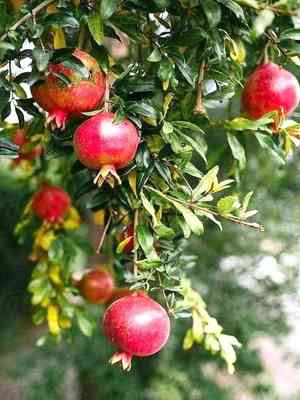
1
Pomegranate trees are resilient and tolerate temperatures down to -12°C (10°F).
2
Strategic pruning prior to winter aids the tree in energy conservation and encourages robust spring growth.
3
Adequate mulching safeguards Pomegranate roots against freezing injury.
Grasping Pomegranate's Cold Tolerance
Grasping Pomegranate's Cold Tolerance
Regardless of your gardening background, it's crucial to understand that Pomegranate trees (Punica granatum) are robust and can withstand low temperatures remarkably well. Typically, these trees can endure temperatures as low as -12°C (10°F). This makes them quite adaptable to various climates. However, extra protective measures can help ensure they flourish during the colder months and emerge vigorous and healthy for the subsequent growing season.
Preparing Your Pomegranate for Winter
Pruning Methods Before Winter
Proper pruning is vital for helping your Pomegranate tree conserve energy during the winter. Before the initial frost, trim any dead or damaged branches. Additionally, thinning out dense areas will enhance air circulation and decrease disease risk. Avoid severe pruning, as this can stress the tree. Focus instead on creating a well-proportioned structure that will support spring growth.
Effective Soil Management
Ensuring your Pomegranate tree has well-draining soil is critical for winter survival. Waterlogged soil can freeze and harm the roots. Improve your soil by incorporating organic matter, such as compost or aged manure, to enhance its structure and drainage capabilities. A soil pH between 5.5 and 7 is optimal for Pomegranate trees; test your soil and amend as needed to maintain this balance.
Adjusting Watering Schedule
As winter approaches, gradually decrease the frequency of watering your Pomegranate tree. This helps the tree adapt to colder weather and prevents excessive soil moisture, which can freeze and damage roots. However, do not let the soil completely dry out. Moderately moist soil is ideal. Water deeply and infrequently to maintain this equilibrium.
Protecting Pomegranate Trees from Extreme Frost
Effective Use of Frost Covers
Frost covers or blankets can offer additional protection for your Pomegranate tree during extremely cold nights. Cover the tree from the ground up, ensuring the cover reaches the soil to trap warmth. Use stakes or other supports to keep the cover from directly touching the leaves and branches, which can lead to frost damage.
Positioning Trees Near Windbreaks
Placing your Pomegranate tree near a windbreak can significantly lessen the impact of cold winds. Structures like fences, hedges, or even buildings can serve as effective windbreaks. This not only shields the tree from direct exposure to cold winds but also helps maintain a more stable microclimate around the tree.
Spring Care for Overwintered Pomegranate Trees
Gradual Reintroduction to Outdoor Conditions
As the weather warms, slowly reintroduce your Pomegranate tree to outdoor conditions to prevent shock. Start by placing the tree in a sheltered outdoor area for a few hours daily, increasing the time spent outside over a couple of weeks. This acclimatization period helps the tree adjust to changes in temperature, light, and wind.
Fertilization Advice
Once your Pomegranate tree is settled back outdoors and showing signs of new growth, begin a regular fertilization regimen. Use a balanced, slow-release fertilizer or a specific fruit tree fertilizer. Follow the product instructions carefully to avoid over-fertilization, which can harm the tree.
Monitoring for Pests and Diseases
Spring is also the time to be vigilant for pests and diseases. Keep an eye out for common issues like aphids, scale, and fungal infections. Early detection and prompt treatment can prevent these problems from becoming severe. Using organic pesticides and regular check-ups can ensure your Pomegranate tree stays healthy and productive.



