How to Overwinter Flowering almond
1
Flowering almond tolerates cold well and can endure lower temperatures, simplifying its winter care.
2
Applying a 5-10 cm (2-4 inches) layer of mulch around the plant's base helps protect its roots from winter cold.
3
Trim your Flowering almond in early spring to encourage strong development and eliminate any damage from the winter season.
Understanding Flowering almond Hardiness and Frost Tolerance
Understanding Flowering almond Hardiness and Frost Tolerance
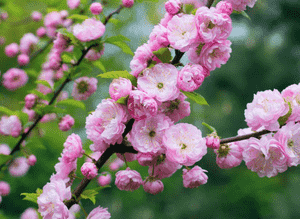
The Flowering almond, or Prunus triloba, is a resilient shrub that shows considerable frost resistance. This deciduous plant produces beautiful pink blossoms in spring, making it a garden favorite. Knowing its frost tolerance is key for successful overwintering. Generally, the Flowering almond can withstand temperatures as low as -18°C (0°F). However, extra attention can ensure it thrives and delivers a strong bloom when spring arrives.
Preparing Flowering almond for Winter
When to Start Winter Preparations
Start winter preparations in late autumn, typically around October or November, depending on your local climate. This timeframe ensures the plant has stopped active growth and is entering dormancy. Starting too early might disrupt its natural growth cycle, while starting too late might expose it to early frost without adequate protection.
Pruning Techniques Before Winter
Pruning your Flowering almond before winter is vital for its health and spring performance. Remove any dead or diseased branches to lower the risk of infection during the damp winter months. Cut back about one-third of the plant to help it conserve energy. Always use clean, sharp pruning shears for precise cuts.
Watering Needs
As winter approaches, adjust your watering schedule. Reduce watering frequency but ensure the soil stays slightly moist, not waterlogged. Proper hydration helps the plant endure dry winter winds. To prevent overwatering, check the soil's moisture level approximately 5-8 cm (2-3 inches) below the surface.
Fertilizing Before Cold Weather
Fertilizing your Flowering almond before winter can provide it with essential nutrients to survive the cold months. Use a balanced, slow-release fertilizer in late fall. This step nourishes the plant without encouraging excessive growth that could be harmed by frost.
Protecting Flowering almond During the Winter
Using Mulch for Insulation
Mulch serves as an insulating layer, safeguarding the roots of your Flowering almond from extreme cold. Apply a 5-10 cm (2-4 inches) thick layer of organic mulch, such as wood chips or straw, around the plant's base. Ensure the mulch does not touch the trunk to prevent rot.
Winter Covers and Wraps
For added protection, consider using winter covers or wraps. A burlap wrap around the shrub can shield it from cold winds and extreme temperatures. Secure the wrap loosely to allow airflow and prevent overheating on warmer days. Avoid using plastic, as it can trap moisture and encourage fungal diseases.
Positioning for Optimal Protection
If your Flowering almond is potted or movable, its winter placement can affect its survival. Position it in a sheltered spot, such as near a wall or under a taller tree, to protect it from harsh winds and frost. Ensure it still receives some sunlight as complete shade can weaken the plant.
Post-Winter Care for Flowering almond
Early Spring Pruning and Cleanup
Once winter has passed, it's time to prepare your Flowering almond for its peak season. Prune any remaining dead or damaged branches in early spring. This promotes new growth and helps maintain the shrub's shape. Clear any fallen leaves or debris around the base to prevent disease.
Assessing Frost Damage
After winter, inspect your Flowering almond for any signs of frost damage. Look for discolored or wilted leaves and branches. If you find damage, prune affected areas to prevent further issues. With proper care, the plant should recover and produce healthy blooms.
Revitalizing Soil and Nutrients
After the winter break, replenish the soil's nutrients to support vigorous growth. Apply a balanced fertilizer in early spring. Consider adding compost or organic matter to the soil to improve its texture and nutrient content. This approach ensures your Flowering almond has everything it needs for a bountiful bloom.



