How to Overwinter Black cherry
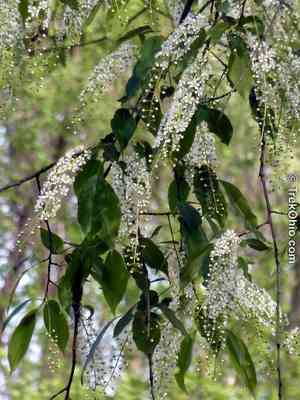
1
Black cherry trees are resilient and can endure temperatures down to -35°C (-31°F).
2
Appropriate mulching aids in preserving soil hydration and safeguarding roots from frost.
3
Trimming your tree prior to winter minimizes the chance of damage from substantial snow and ice.
Why is Overwintering Important for Black cherry Trees?
Why is Overwintering Important for Black cherry Trees?
Overwintering is vital for Black cherry trees as it guarantees their survival through severe winter periods. By taking necessary steps to safeguard these trees, you not only preserve their well-being but also boost their growth and fruit yield in subsequent seasons. The overwintering process helps mitigate potential harm from frost, snow, and ice, preparing the tree to flourish once warmer weather returns.
Preparing Your Black cherry Tree for Winter
Assessing Tree Health
Before the initial frost arrives, it's crucial to evaluate the condition of your Black cherry tree. Look for indications of illness, pests, or weakened limbs that could become problematic during winter. A robust tree has a greater chance of enduring cold temperatures, so resolving any issues in the autumn is essential.
Mulching and Soil Preparation
Proper soil preparation and mulching are key steps in overwintering. Apply a 5-10 cm (2-4 inch) layer of organic mulch, such as wood chips or straw, around the tree's base. This mulch acts as an insulating layer that helps maintain soil moisture, regulate temperature, and shield roots from freezing. Ensure the mulch is spread evenly and doesn't directly touch the trunk to prevent rot.
Pruning Techniques for Winter Readiness
Pruning your Black cherry tree before winter arrives can lessen the risk of damage from heavy snow and ice. Focus on removing dead or diseased branches and any weak growth. This not only strengthens the tree but also enhances air circulation and light penetration, which are beneficial for overall tree health.
How to Protect Black cherry Trees from Frost
Using Frost Covers and Blankets
An effective method to shield your Black cherry tree during unexpected frosts is to utilize frost covers or blankets. These materials can provide an additional layer of insulation, helping to retain warmth around the tree. When using frost covers, ensure they extend to the ground and are secured to prevent them from being blown away by strong winds.
Placing Windbreaks
Windbreaks are another excellent technique to protect your Black cherry tree from harsh winter winds that can cause harm. You can use natural windbreaks, such as hedges or shrubs, or artificial barriers like fences. Position these windbreaks on the windward side of your tree to lessen the impact of cold gusts.
Monitoring Black cherry Trees Throughout Winter
Checking for Rodent Damage
Winter is a period when rodents seek refuge and sustenance, sometimes harming Black cherry trees by gnawing on the bark. Regularly inspect the trunk's base for signs of rodent activity. If you notice any damage, take measures to protect the tree, such as installing tree guards or using repellents.
Inspecting for Signs of Frost Damage
Regularly check your Black cherry tree for indications of frost damage, such as discolored bark, cracked branches, or wilted leaves. Addressing frost damage promptly can prevent further deterioration. Prune any affected areas and consider additional protective measures if frost damage is a recurring issue.



