How to Overwinter Chinese plum
1
The Prunus mume tolerates cold, yet still gains from winterizing.
2
Adequate protection can determine survival versus flourishing.
3
Frequent pest inspections can avert bigger problems during dormancy.
Significance of Overwintering Chinese plum
Significance of Overwintering Chinese plum
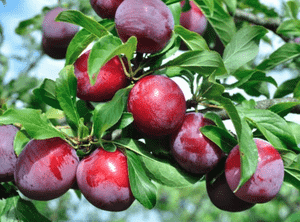
The Chinese plum, or Prunus salicina, is a delightful and robust fruit tree prized for its sweet plums. Despite its frost tolerance, providing extra winter care ensures the plant's longevity and continued fruit production. Overwintering safeguards the tree from extreme cold, frost damage, and desiccating winds that can weaken or kill even the toughest species. Moreover, proper preparation can boost the tree's resilience, leading to a plentiful harvest in spring.
Preparing Your Chinese plum for Winter
When to Start Preparation
Initiate winter preparations for your Chinese plum in early autumn, around October. This timing allows the tree to gradually adapt to falling temperatures. Observe indicators like leaf color changes and slower growth to begin your winterizing tasks.
Pruning the Chinese plum
Pruning is vital for maintaining the health and form of your Chinese plum. Perform light pruning to remove dead or weak branches susceptible to winter damage. Focus on shaping the tree to enhance air circulation and light penetration, which can help reduce disease risk.
Watering Needs
It's essential to modify watering routines as the season shifts. As temperatures drop, the tree's water requirements decrease. Give your Chinese plum a thorough watering before the ground freezesâthis helps to hydrate it through the winter months. Use approximately 10-15 liters (2.6-4 gallons) of water per young tree.
Insulating the Chinese plum Tree
Mulching Around the Base
Apply a thick layer of mulch around the tree's base, extending to the drip line. Mulch helps retain soil moisture and insulates against temperature fluctuations. Aim for 5-10 centimeters (2-4 inches) of mulch, using organic materials like straw, wood chips, or compost.
Using Burlap or Frost Blankets
Wrap the trunk and lower branches of the Chinese plum with burlap or frost blankets to protect it from harsh winds and frost. Secure the material loosely to allow for air circulation and prevent moisture buildup, which can encourage fungal growth.
Positioning for Optimal Winter Survival
Choosing the Right Location
If your Chinese plum is potted or young enough to be transplanted, consider its winter placement carefully. Position it in a sheltered spot, such as near a south-facing wall, which can provide additional warmth and protection from the elements.
Protection from Wind
Winter winds can be detrimental to your Chinese plum. Installing windbreaks, such as fencing or planting hedges around the tree, can significantly reduce wind impact. This can help prevent branch breakage and reduce overall stress on the tree.
Monitoring and Maintaining Your Chinese plum during Winter
Checking for Pests and Diseases
Regularly inspect your Chinese plum for signs of pests and diseases, even in the dormant season. Look for abnormalities in bark or branches, and treat any issues promptly. Dormant oil sprays can be effective in managing overwintering pests.
Adjusting Watering as Needed
During winter, you may need to provide occasional watering during dry spells. Check the soil moisture periodically; if the soil feels dry several centimeters (an inch or so) beneath the surface, itâs time for a light watering. Adjust this based on weather conditions and the treeâs specific needs.



