How to Overwinter Carolina cherry laurel
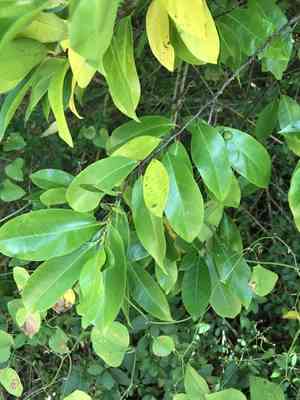
1
Carolina cherry laurel tolerates cold and can endure low temperatures with adequate preparation.
2
Winter maintenance includes particular actions such as applying mulch, appropriate watering, and trimming to guarantee the plant's health.
3
Recognizing early indicators of frost damage can avert lasting harm to your Carolina cherry laurel.
The Importance of Overwintering Carolina cherry laurel
Why Overwintering Carolina cherry laurel is Important
Overwintering Carolina cherry laurel (Prunus caroliniana) is crucial for its health and long-term survival. While this plant is resilient and can endure cold temperatures, protecting it during winter can prevent damage from severe frost and reduce disease risk. By overwintering your Carolina cherry laurel, you help maintain its vibrant green foliage and ensure robust spring growth.
Step-by-Step Guide to Overwintering Carolina cherry laurel
Assessing Your Local Climate
The initial step in overwintering your Carolina cherry laurel involves understanding your local climate. If you reside in an area with mild winters, your plant might need less intensive care. However, in regions with harsh winters, additional precautions are necessary. Consult your USDA hardiness zone to determine your plant's specific requirements. Carolina cherry laurel typically tolerates temperatures down to -23°C (-10°F), but protection helps mitigate unexpected weather shifts.
Preparing the Soil
Healthy soil forms the basis for a resilient Carolina cherry laurel during winter. Before the ground freezes, enrich the soil around the plant's base with organic compost. This provides essential nutrients and improves soil structure and moisture retention. Aim for a soil pH between 5.5 and 7.0, which is ideal for this species. Applying a slow-release fertilizer can also give your plant an extra boost to withstand winter stress.
Watering Requirements
Proper watering is vital as you prepare your Carolina cherry laurel for winter. Reduce watering frequency as temperatures drop, but ensure the soil remains slightly moist. Water deeply once a week leading up to winter, allowing water to reach the root zone. Be careful not to overwater, as standing water can freeze and harm the roots. Generally, aim for about 2.5-5 cm (1-2 inches) of water weekly.
Mulching Techniques
Mulching effectively insulates the soil and roots of your Carolina cherry laurel. Apply a 5-7.5 cm (2-3 inch) layer of organic mulch, such as wood chips or straw, around the plant's base. This helps regulate soil temperature, retain moisture, and prevent weed growth. Ensure mulch is kept away from the trunk to reduce the risk of rot and pest issues.
Pruning Before Winter
Pruning your Carolina cherry laurel before winter helps maintain its shape and removes weak or diseased branches susceptible to winter stress. Aim to prune in late fall, removing any dead or damaged limbs. Trim overgrown branches to ensure good air circulation and light penetration. Avoid heavy pruning, as it can stimulate new growth that may not harden off before the cold arrives.
Common Issues and Solutions During Overwintering
Identifying Frost Damage
Even with careful preparation, your Carolina cherry laurel might still show signs of frost damage. Common indicators include browning or blackening of leaves, especially on new growth. If you notice these signs, protect the plant with burlap or frost cloths during particularly cold nights. Early identification and action can prevent damage from spreading and help the plant recover faster.
Preventing Fungal Infections
Winter moisture can create ideal conditions for fungal infections. To prevent this, ensure good air circulation around your Carolina cherry laurel by properly spacing plants and pruning as needed. Avoid overhead watering and clear away fallen leaves around the base to reduce fungal spores in the vicinity. If fungal issues arise, treat them promptly with an appropriate fungicide.
Managing Pests
Winter can drive pests to seek shelter in your Carolina cherry laurel. Common pests include scale insects and aphids. Regularly inspect your plant for signs of infestation, such as discolored leaves or sticky residue. Treat infestations promptly with insecticidal soap or horticultural oil. Natural predators, like ladybugs, can also help keep pest populations under control.



