How to Overwinter Chickasaw plum
1
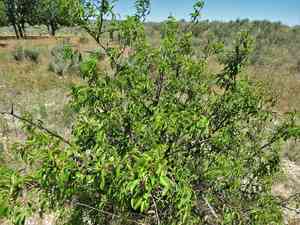
The Chickasaw plum tolerates cold temperatures well, enduring harsh winters, which makes it a robust option for your outdoor space.
2
Chickasaw plum trees generally reach heights of 4 to 8 meters (13 to 26 feet), offering visual appeal and shade.
3
Applying mulch is vital for safeguarding the soil surrounding your Chickasaw plum from freezing temperatures.
Why Overwinter Chickasaw plum?
Why Overwinter Chickasaw plum?
The Chickasaw plum is a robust plant known for its resilience in various environments, including winter. However, taking measures to overwinter your Chickasaw plum can help ensure its health and vigor during colder periods. Proper overwintering techniques minimize frost damage, aid the plant in conserving energy, and reduce the likelihood of pest and disease issues in spring. Overwintering isn't just about protecting the plantâit's about maintaining optimal soil conditions, ensuring adequate hydration, and preparing the tree for the next growing season.
Preparing Chickasaw plum for Winter
Pruning the Tree
One of the initial steps in readying your Chickasaw plum for winter is pruning. Wait until the tree enters dormancy, typically after leaf drop but before the first frost. Remove any dead or damaged branches to prevent disease. Additionally, thin out crowded branches to improve air circulation. Pruning should be done with sharp, clean tools to minimize harm to the tree and prevent disease spread.
Soil Preparation
Healthy soil is crucial for the survival of your Chickasaw plum during winter. Begin by clearing any fallen leaves and debris around the tree's base, as they can harbor pests and diseases. Add a layer of organic compost to maintain soil health and fertility. This compost will decompose over winter, providing essential nutrients just in time for spring growth.
Protecting Chickasaw plum During Winter
Mulching Techniques
Mulching is a vital step in safeguarding your Chickasaw plum from extreme winter conditions. Apply a thick layer of mulch around the tree's base, approximately 5 to 10 centimeters (2 to 4 inches) deep. This mulch acts as an insulating blanket, helping to maintain consistent soil temperature and moisture levels. Use organic materials like straw, wood chips, or shredded leaves. Avoid piling mulch directly against the trunk, as this can lead to rot.
Watering Requirements
Although the Chickasaw plum is hardy, it still requires sufficient moisture to survive the winter. Water the tree deeply before the ground freezes, ensuring the soil is moist but not waterlogged. This deep watering will help the tree's roots store water to sustain them through the winter months. Reduce watering as the temperature drops and monitor soil moisture to prevent root rot.
Dealing with Extreme Weather
Frost Protection Strategies
In areas prone to severe frosts, additional protection may be necessary. Create a barrier around your Chickasaw plum using burlap or frost blankets to shield it from sharp temperature drops. Cover the tree at night when frost is likely, and remove the coverings during the day to allow sunlight and air circulation.
Sheltering the Tree
For small Chickasaw plum trees, consider creating a temporary windbreak using stakes and burlap. This shelter will protect the tree from harsh winds and icy blasts. Ensure the structure is secure but allows enough room for air circulation to prevent mold and mildew formation.
Post-Winter Care for Chickasaw plum
Inspecting the Tree
When winter concludes, perform a thorough inspection of your Chickasaw plum. Look for signs of frost damage, such as split bark or discolored branches. Check for pests or diseases that might have taken hold during winter dormancy. Early detection of issues can help you take prompt action to mitigate problems.
Rejuvenation Pruning
Spring is an excellent time for rejuvenation pruning. Remove any frost-damaged branches to encourage new growth. Prune for shape, removing any crossing, dead, or weak branches. Proper pruning helps the tree allocate resources efficiently, promoting healthy and vigorous growth.
Fertilization and Soil Care
After the frost threat has passed, refresh the soil around your Chickasaw plum with a balanced, all-purpose fertilizer. Follow the application guidelines to avoid over-fertilizing, which can harm the tree. Reapply mulch to suppress weeds and retain soil moisture as the weather warms.



