How to Overwinter Elephant bush
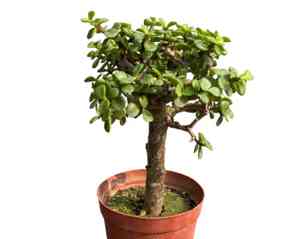
1
Elephant bush is sensitive to cold, so it's essential to move it inside before temperatures fall below 10°C (50°F).
2
Excessive watering is the primary reason for Elephant bush demise in winter, thus water infrequently.
3
Elephant bush thrives in ample, diffused light; position it close to an indoor south-facing window for optimal growth.
Why Is Overwintering Elephant bush Important?
Why Is Overwintering Elephant bush Important?
The Elephant bush (Portulacaria afra) is a popular succulent known for its bushy, elephantine leaf structure and ease of care. However, it is frost-tender, meaning it cannot withstand freezing temperatures. In regions with cold winters, this plant must be brought indoors to ensure its survival. Overwintering protects the plant from frost damage and provides a controlled environment where it can thrive. Given its sensitivity to cold, understanding the specific needs of your Elephant bush during winter months is crucial to maintaining its health and vibrancy.
Ideal Indoor Conditions for Elephant bush
What Temperature is Best for Elephant bush in Winter?
The Elephant bush prefers a warm environment during winter. Aim to keep indoor temperatures between 18°C and 24°C (65°F - 75°F). Avoid any sudden temperature drops and keep the plant away from drafty areas or cold windowsills. A consistent temperature ensures the plant remains stress-free and healthy.
Optimal Humidity Levels
Elephant bush thrives in low to moderate humidity levels. Indoor humidity levels between 40% and 50% are ideal. Too much moisture in the air can promote fungal diseases and root rot, so avoid placing the plant in overly humid areas like bathrooms or kitchens.
Light Requirements for Elephant bush
Bright, indirect sunlight is best for Elephant bush. Place the plant near a south-facing window or an area that receives plenty of natural light. If natural light is insufficient, consider using a grow light to supplement its needs. Ideally, the plant should receive at least 4-6 hours of light each day to mimic its natural habitat conditions.
Watering Elephant bush During Winter
How Often Should You Water Elephant bush in Winter?
In winter, Elephant bush enters a period of dormancy and requires less water. Water only when the top 2.5-5cm (1-2 inches) of soil feels dry to the touch. This typically means watering once every 2-4 weeks, depending on the indoor climate. Always check the soil moisture before watering to avoid overwatering.
Avoiding Overwatering
Overwatering is a common mistake with Elephant bush during winter. Ensure the pot has proper drainage to prevent water from accumulating at the bottom. Use well-draining soil, such as a cactus or succulent mix, to provide an optimal environment for the roots. Signs of overwatering include yellowing leaves and a mushy stem; if you notice these, immediately reduce watering.
Handling Pests and Diseases
Common Pests Affecting Elephant bush
Common pests that can affect Elephant bush include mealybugs, spider mites, and aphids. These pests thrive in indoor conditions and can cause significant damage if left untreated. Regularly inspect your plant for any signs of pests such as white cottony masses (mealybugs) or tiny webbing (spider mites).
Preventative Measures
To prevent pests, maintain a clean growing environment and avoid overcrowding your plants. Ensure proper ventilation and remove any dead leaves or debris from the soil surface. It is also beneficial to isolate new plants for a few weeks before introducing them to your indoor garden to minimize the risk of spreading pests.
Treating Infections
If you detect pests, treat them immediately with natural insecticides like neem oil or insecticidal soap. For mealybugs, use a cotton swab dipped in rubbing alcohol to remove them manually. Repeat treatments may be necessary to fully eradicate the pests.



