How to Overwinter Quaking aspen
1
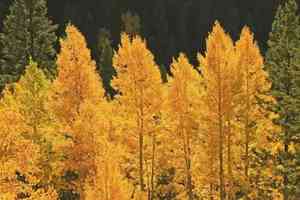
Populus tremuloides is among the most widespread indigenous trees across North America.
2
The moniker Populus tremuloides originates from how its foliage shivers or 'quakes' with the gentlest air movement.
3
Populus tremuloides are tolerant of cold but still gain from appropriate winter care methods to flourish.
Why Overwinter Quaking aspen?
Why Overwinter Quaking aspen?
As temperatures drop, it's crucial to consider preparing your Quaking aspen for winter. While Quaking aspen (Populus tremuloides) is frost-hardy, proper care safeguards it from harsh conditions and maintains root health. Overwintering Quaking aspen not only protects it from frost's damaging effects but also helps it conserve energy, leading to robust growth in spring.
Key Preparations for Overwintering Quaking aspen
Selecting the Right Location
When readying your Quaking aspen for winter, choosing an appropriate site is essential. The tree needs ample sunlight and protection from strong winds. If your Quaking aspen is potted, move it to a sheltered spot, like near a building or windbreak. Consistent sun exposure, even in colder months, supports its overall well-being.
Soil and Nutrient Management
Proper soil and nutrient management are vital for your Quaking aspen's winter health. Ensure the soil around the tree drains well to prevent waterlogging, which can cause root rot. Boost soil fertility by applying a slow-release, balanced fertilizer in autumn. This provides your Quaking aspen with essential nutrients throughout winter. An ideal pH is 5.5-7.5; test and amend your soil if needed.
Watering Needs
Watering is perhaps one of the trickiest parts of overwintering Quaking aspen. While it's essential not to let the soil dry out completely, you must also avoid overwatering, which can cause root problems. As a rule of thumb, water your Quaking aspen sparingly once the ground begins to freeze. Approximately 25-38 liters (6-10 gallons) of water every two weeks should suffice, but always check the soil moisture to adapt your watering schedule accordingly.
Protecting Quaking aspen from Frost
Mulching Techniques
Mulching is a highly effective way to protect Quaking aspen from frost. Apply a 5-7 cm (2-3 inch) thick layer of mulch around the base of the tree but keep it away from the trunk to prevent rot. Materials like wood chips, straw, or shredded leaves work well. This mulch layer will insulate the roots, retain soil moisture, and offer some protection against temperature fluctuations.
Using Frost Covers
Frost covers can be an excellent addition to your overwintering arsenal, providing an extra layer of protection for your Quaking aspen. Use breathable fabric covers specifically designed for plants to shield them from frost and wind. Secure the covers around the tree, ensuring they don't touch the foliage to avoid condensation issues. It's crucial to remove the covers during the daytime when temperatures are mild to prevent overheating.
Common Overwintering Problems and Solutions for Quaking aspen
Preventing Root Rot
One of the most common issues during overwintering is root rot, often caused by waterlogged soil. Ensure your soil has excellent drainage and avoid overwatering. Elevate potted Quaking aspen slightly off the ground to allow excess water to escape. Monitoring the soil condition and adjusting your watering schedule are the best preventive measures.
Identifying Frost Damage
Despite your best efforts, frost damage can occur. Look for signs like discolored or wilted leaves, and damage to the bark. If you notice any damage, it's often best to wait until spring to assess the extent and prune selectively. Immediate action may cause additional harm during the cold months. Use this as a learning opportunity to adjust your overwintering techniques in the future.



