How to Overwinter Pickerelweed
1
Pickerelweed tolerates cold temperatures, allowing for outdoor winter maintenance.
2
Maintain dampness for your Pickerelweed in winter, but prevent excessive watering.
3
Applying mulch offers extra defense from severe cold.
Is Pickerelweed Frost Hardy?
Is Pickerelweed Frost Hardy?
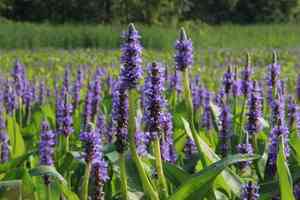
Indeed, Pickerelweed (Pontederia cordata) is recognized for its ability to endure frost. This water-dwelling plant flourishes in aquatic environments across diverse climates. While it tolerates low temperatures, specific actions are necessary to maintain its health through winter. Grasping its resilience is key to successful overwintering. Despite its cold tolerance, proactive steps boost its survival and development.
Preparing Pickerelweed for Winter
Cleaning and Pruning
Prior to winter's arrival, clean and trim your Pickerelweed. Eliminate dead or decaying foliage and stalks to avert rot and illness. Cutting the plant back helps it conserve energy, which is vital for enduring the cold period. Utilize clean, sharp scissors or pruners for accurate cuts. This preparation promotes a more robust plant in spring.
Inspecting for Pests and Diseases
Examine your Pickerelweed for any indications of pests or ailments. Scrutinize the leaves and stems for discoloration, perforations, or unusual marks. Insects such as aphids and diseases like root rot can pose problems. If detected, treat promptly with suitable insecticides or fungicides, adhering to the manufacturer's directions. Prompt action prevents major issues during winter.
Outdoor Overwintering Tips for Pickerelweed
Mulching and Soil Protection
Applying a layer of mulch around the base of your Pickerelweed can greatly assist in insulating its roots from severe cold. Employ organic mulches such as straw, fallen leaves, or wood chips. Spread a layer approximately 5-10 centimeters (2-4 inches) deep. This mulch serves as a protective covering, preserving soil moisture and minimizing temperature swings.
Watering Needs During Winter
Maintaining appropriate moisture levels is essential in winter. Although Pickerelweed requires less water in colder conditions, ensure it doesn't completely dry out. Check the soil frequently and water when the surface layer feels arid. Strive for equilibrium - keep it damp but avoid creating a waterlogged environment that can cause root rot.



