How to Overwinter Buddhist pine
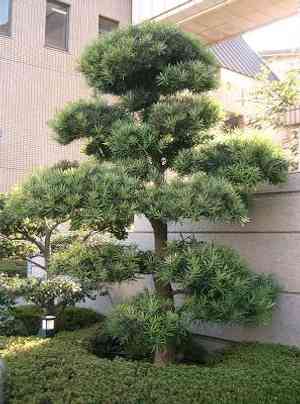
1
Buddhist pine tolerates cold, but young specimens require extra attention in severe winters.
2
For winter, Buddhist pine thrives indoors in areas with ample, diffused light.
3
An outdoor mulch layer of approximately 5-7 cm (2-3 inches) is needed to shield roots from freezing.
Winter Care Essentials for Buddhist pine
Winter Care Essentials for Buddhist pine
As colder weather approaches, ensuring your Buddhist pine thrives through the winter demands some preparation and insight. This evergreen, known for its striking foliage and adaptability, has specific requirements during the colder months. Here's a comprehensive guide to help you provide proper winter care:
Is Buddhist pine Cold-Tolerant?
Is Buddhist pine Cold-Tolerant?
Yes, Buddhist pine is considered cold-tolerant, meaning it can endure freezing temperatures better than many other plants. However, while mature plants show significant frost resilience, younger and potted plants might need extra protection. Ensuring they are adequately shielded can greatly impact their ability to survive and flourish through winter.
Indoor vs. Outdoor Wintering
Indoor Wintering Advice for Buddhist pine
Bringing your Buddhist pine indoors for the winter can be an excellent way to shield it from the harshest weather. Here are some tips to ensure a smooth transition and continued health: Lighting: Position the plant where it can receive bright, indirect sunlight. A south-facing window is often ideal. Humidity: Indoor winter air can be very dry. Consider using a humidifier or placing a tray of water near the plant to maintain humidity levels. Temperature: Keep indoor temperatures stable, ideally between 15-24°C (59-75°F). Avoid placing the plant near drafts or heat sources like radiators and vents.
Outdoor Wintering Advice for Buddhist pine
If you opt to keep your Buddhist pine outdoors, there are several steps you can take to protect it: Location: Place the plant in a sheltered spot, such as near a wall that can provide some warmth and wind protection. Mulching: Apply a thick layer, about 5-7 cm (2-3 inches), of mulch around the base of the plant to insulate the roots from freezing temperatures. Covering: During extreme cold snaps, covering the plant with burlap or a frost cloth can offer additional protection. Ensure the cover does not touch the foliage directly.
How to Prepare Buddhist pine for Winter
Trimming and Cleaning
Before winter arrives, trim your Buddhist pine to remove any dead or damaged branches. This helps reduce the risk of disease and pests over the winter. Also, clear away any fallen leaves or debris around the base of the plant.
Adjusting Watering and Feeding
As temperatures drop, the plant's water and nutrient needs change. Reduce watering significantly to prevent root rot. Water only when the top 2.5-5 cm (1-2 inches) of soil are dry. Stop fertilizing as the plant's growth slows down during winter.
Mulching and Ground Insulation
A layer of mulch helps insulate the roots from fluctuating temperatures. Organic materials like straw, compost, or bark work well. Ensure the mulch layer is about 5-7 cm (2-3 inches) thick for optimal protection.
Common Winter Problems and Solutions for Buddhist pine
Addressing Frost Damage
If your Buddhist pine experiences frost damage, do not prune damaged leaves immediately. Wait until the risk of frost has passed in spring. Pruning too early can expose the plant to further damage. Be patient and let the plant recover naturally.
Managing Pests and Diseases
Winter can introduce specific pest issues. Regularly check for insects such as spider mites or scale. If detected, use an insecticidal soap or neem oil to manage infestations. Good air circulation and dry soil can prevent fungal diseases from taking hold.
Spring Transition: Preparing Buddhist pine for the Growing Season
Gradual Temperature Adjustment
As spring approaches, gradually acclimate your Buddhist pine to outdoor conditions. Begin by placing it outside for a few hours each day, slowly increasing the exposure over a couple of weeks.
Feeding and Fertilizing for Spring Growth
Once the risk of frost has passed, resume regular feeding with a balanced fertilizer. This encourages vigorous growth and replenishes nutrients that were not provided during the winter months.



