How to Overwinter Swedish ivy
1
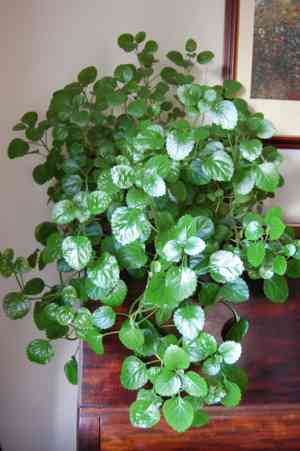
Plectranthus verticillatus is a delicate plant needing particular attention in colder seasons.
2
The best indoor temperature for Plectranthus verticillatus in winter ranges from 18-24°C (65-75°F).
3
Plectranthus verticillatus flourishes indoors with ample, filtered light and average humidity.
Why Overwinter Swedish ivy?
Why Overwinter Swedish ivy?
Overwintering Swedish ivy is essential because it's a delicate plant unable to endure frost and low temperatures. As winter approaches, outdoor conditions can harm or kill Swedish ivy, making indoor relocation vital. Overwintering not only ensures its survival but also encourages robust growth for the upcoming spring and summer seasons.
Preparing Your Swedish ivy for Overwintering
Step-by-Step Cleaning Process
Before moving your Swedish ivy indoors, thoroughly clean it to remove any dirt, dust, and debris that might harbor pests or diseases. Use a gentle water stream to wash the leaves and stems without causing damage. Ensure all water drains completely to prevent waterlogging.
Pruning and Trimming Tips
Prune your Swedish ivy by cutting back any overly long stems and removing dead or yellowed leaves. Trimming helps control the plant's size and promotes denser growth. Use clean, sharp scissors or pruning shears to make precise cuts just above a leaf node.
Inspect and Treat for Pests
Carefully examine your Swedish ivy for common pests, such as spider mites, aphids, and mealybugs. Look under leaves and along stems for any signs of these pests. If found, treat your plant with insecticidal soap or neem oil to ensure it's pest-free before bringing it inside.
Ideal Indoor Conditions for Swedish ivy
Optimal Temperature Range
Swedish ivy thrives at an indoor temperature of 18-24°C (65-75°F). Avoid placing it near drafts, heating vents, or cold windows to prevent temperature fluctuations that can stress the plant.
Light Requirements
This plant prefers bright, indirect light. Position your Swedish ivy near a north or east-facing window where it can receive ample light without direct sun exposure, which can scorch its leaves.
Humidity Levels
For optimal health, maintain moderate humidity levels around your Swedish ivy. If your home's air is dry, especially during winter, consider using a humidifier or placing a water-filled tray with pebbles near the plant to increase humidity.
Watering and Feeding During Winter
How Often to Water
Water your Swedish ivy sparingly during winter months, as it enters a period of dormancy. Allow the top 2.5 cm (1 inch) of soil to dry out between watering. Reduce the frequency to once every 10-14 days, depending on the indoor humidity and temperature levels.
Nutrient Needs in Dormancy
During winter, Swedish ivy has reduced nutrient needs. Avoid fertilizing the plant during this time as it can lead to nutrient buildup and potential root burn. Resume feeding with a balanced houseplant fertilizer diluted to half strength in early spring.
Common Issues and Solutions during Overwintering
Identifying and Treating Leaf Drop
Leaf drop can be a sign of stress from inadequate light or overwatering. Ensure your Swedish ivy is receiving enough indirect light and let the soil dry out between watering sessions. Adjusting these conditions can help mitigate leaf drop.
Solutions for Yellowing Leaves
Yellowing leaves often indicate overwatering or nutrient deficiencies. Check the soil moisture levels and adjust your watering schedule. If the problem persists, a light application of diluted, balanced fertilizer can help.
Dealing with Root Rot
Root rot is caused by excessive moisture in the soil. To prevent this, ensure proper drainage and reduce watering frequency during winter. If you notice root rot, remove affected roots, repot the plant in fresh soil, and adjust your watering habits.



