How to Overwinter Oriental arborvitae
1
Oriental arborvitae tolerate frost well, allowing them to withstand low temperatures.
2
Appropriate mulching significantly improves the plant's ability to survive winter.
3
Examine and care for your Oriental arborvitae in early spring to help them recover from winter damage.
Understanding Oriental arborvitae Hardiness
Understanding Oriental arborvitae Hardiness
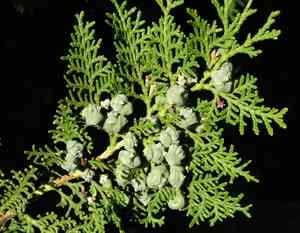
The Oriental arborvitae (Platycladus orientalis) is a popular evergreen conifer known for its vibrant green foliage and resistance to harsh climates. These hardy plants can endure freezing temperatures, making them suitable for regions that experience cold winters. However, even the hardiest of plants require a bit of care to ensure they remain healthy and robust throughout the colder months. Understanding the capabilities and limits of your Oriental arborvitae is the first step toward effective overwintering.
What are the Winter Care Requirements for Oriental arborvitae?
Mulching
Mulching is essential for Oriental arborvitae, as it helps insulate the roots against freezing temperatures. Apply a 5-8 cm (2-3 inches) thick layer of organic mulch, such as wood chips or compost, around the base. This layer will not only retain soil moisture but also provide a protective barrier against fluctuating temperatures, which can cause root damage.
Watering
Even though winter precipitation often suffices, ensuring your Oriental arborvitae is well-watered before the ground freezes can make a significant difference. Water deeply, about 2-3 liters (half to ¾ gallon) per plant, during late autumn. This practice helps maintain soil moisture and prevents the plant from drying out during cold spells.
Pruning
Pruning Oriental arborvitae before winter can be beneficial. Remove any dead or diseased branches to prevent potential issues and encourage healthy growth. Avoid heavy pruning, as this can stress the plant. Light pruning will keep the plant shape intact and allow better air circulation, reducing the risk of fungal diseases.
How to Protect Oriental arborvitae from Extreme Cold?
Using Burlap Wraps
Burlap wraps are an excellent way to shield young and sensitive Oriental arborvitae from extreme cold. Wrap the plant loosely with burlap, ensuring good air circulation. Secure the wrap with garden twine, protecting the plant from harsh winds and sunscald without causing overheating.
Windbreaks
Windbreaks can be created using fences, walls, or windbreak fabric. These structures protect your Oriental arborvitae from cold, drying winds that can cause desiccation. Position the windbreak on the windward side of the plant to shield it effectively from the harshest gusts.
Snow Coverage
Snow acts as a natural insulator for plants. If your region experiences heavy snowfall, use it to your advantage by piling snow around the base of your Oriental arborvitae. This insulates the roots and prevents the soil from freezing too deeply. However, avoid allowing heavy snow to accumulate on the branches, as this can cause breakage.
Common Issues During Overwintering Oriental arborvitae
Winter Burn
Winter burn is a common issue where needles turn brown due to desiccation. This typically occurs when the plant loses more moisture than it can absorb from the frozen ground. To prevent this, ensure your plant is well-watered and consider using anti-desiccant sprays.
Pest Infestations
Even in winter, pests like spider mites and scales can affect Oriental arborvitae. Regularly inspect your plant for signs of pests and treat them using appropriate insecticidal soap. Maintaining plant health through proper watering and mulching can reduce vulnerability to pests.
Fungal Diseases
Fungal diseases can be exacerbated by moisture retention during winter. Ensure good air circulation by not crowding plants and avoid overhead watering. Fungicide treatments can be used as a preventive measure if fungal issues have been a problem in the past.
Preparing for Spring: Post-Winter Care for Oriental arborvitae
Inspecting for Damage
As soon as the weather warms up, inspect your Oriental arborvitae for winter damage. Look for broken branches, winter burn, and pest infestations. Trim off any damaged or dead parts to encourage new growth and maintain the plant's health.
Feeding and Fertilizing
Early spring is an excellent time to feed your Oriental arborvitae. Use a balanced, slow-release fertilizer to provide essential nutrients that promote new growth. Follow the manufacturer's instructions carefully to avoid over-fertilization, which can harm the plant.
Resuming Regular Watering
As the ground thaws and temperatures rise, resume regular watering schedules. Ensure the plant receives adequate moisture, especially during dry spells. Deep watering, about twice a week, will support robust root development and greening up of foliage.



