How to Overwinter Elkhorn fern
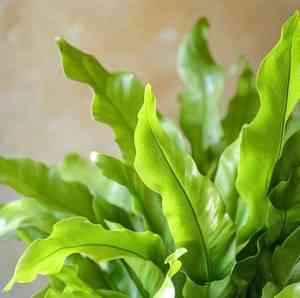
1
The Elkhorn fern is a delicate plant needing careful winter protection.
2
Elkhorn fern thrives in elevated humidity, ideally exceeding 50%.
3
Inspect your Elkhorn fern frequently for infestations such as scale and mealybugs throughout the winter months.
Why Overwintering is Crucial for Elkhorn fern
Why Overwintering is Crucial for Elkhorn fern
The Elkhorn fern (Platycerium bifurcatum) originates from tropical and subtropical areas, making it sensitive to cold. Overwintering is vital to ensure the plant survives colder months when temperatures fall below 7°C (45°F). Without proper attention, the fern can suffer damage, illness, or even perish. By understanding and applying suitable overwintering methods, you can safeguard your fern and enjoy its vibrant, green fronds annually.
Preparing Elkhorn fern for Overwintering
Inspecting for Pests
Before moving your Elkhorn fern indoors for winter, thoroughly check it for pests like scale insects, mealybugs, and spider mites. These pests can rapidly multiply in a warm indoor setting, leading to infestations. A magnifying glass can help spot these tiny invaders. If pests are found, treat the plant with insecticidal soap or neem oil, following instructions carefully to avoid harming the fern.
Pruning and Cleaning
Pruning and cleaning your Elkhorn fern is essential for encouraging healthy growth during winter. Remove any dead or decaying fronds using clean, sharp shears. This not only enhances your plant's appearance but also prevents disease spread. Wipe fronds with a damp cloth to remove dust and debris, which can obstruct light and reduce photosynthesis efficiency.
Adjusting Watering Schedules
Watering requirements change in winter as the plant's growth slows. Excessive watering can cause root rot, especially in colder weather when moisture evaporates slower. Water your Elkhorn fern when the top 5-8 centimeters (2-3 inches) of the growing medium feel dry. Proper drainage is crucial to prevent waterlogging and root rot.
Fertilizer Application
During winter, your fern's nutritional needs are significantly lower. Reduce fertilization to once every two months, using a balanced, water-soluble fertilizer diluted to half-strength. Over-fertilizing can lead to salt accumulation, causing leaf burn and other problems. It's best to be cautious and avoid fertilizing entirely if you're unsure of the plant's requirements.
Indoor Overwintering Setup for Elkhorn fern
Choosing the Right Location
Selecting the ideal indoor spot for your Elkhorn fern is crucial for its health. Find a bright room where the plant can receive indirect sunlight. Avoid placing it near drafts, heating units, or in direct sun, as these conditions can stress the plant. Bathrooms and kitchens can be perfect due to their higher humidity levels.
Maintaining Temperature and Humidity
Consistency is vital for temperature and humidity. Aim to keep indoor temperatures between 16-24°C (60-75°F). Elkhorn fern thrives in high humidity, ideally above 50%. Use a humidifier or place a humidity tray with water and pebbles beneath the plant to increase air moisture. Misting fronds with distilled water can also help, but be careful to avoid waterlogging.
Providing Adequate Lighting
Sufficient lighting is essential for maintaining the fern's vibrant green fronds. Position your Elkhorn fern in an area that gets bright, indirect light. If natural light is limited, consider using artificial grow lights as a supplement. LED grow lights are energy-efficient and provide the necessary light spectrum for photosynthesis. Ensure the light source is at an appropriate distance to prevent leaf burn.
Common Issues During Overwintering and How to Address Them
Dealing with Leaf Drop
Leaf drop can be concerning but is often a natural part of the plant's adjustment to new environmental conditions. If leaf drop is excessive, check for drafts, insufficient lighting, or incorrect watering. Address these issues promptly by adjusting the plant's location or care routine.
Managing Root Rot
Root rot is a frequent problem in winter due to overwatering or poor drainage. If you notice yellowing fronds or a foul odor from the soil, root rot might be present. To fix this, reduce watering frequency and ensure the pot has proper drainage. Re-potting in fresh, well-draining soil may also be necessary to save the plant.
Controlling Pests
Pests can still be an issue indoors, so regular inspection is crucial. Treat any infestations promptly with insecticidal soap or neem oil. Additionally, isolate the affected plant to prevent pests from spreading to other houseplants.



