How to Overwinter American sycamore
1
American sycamore flourishes in USDA Hardiness Zones 4-9.
2
Provide American sycamore with thorough watering, approximately 25.4-38.1 liters (7-10 gallons) weekly in autumn.
3
Applying mulch around the trunk base assists in shielding roots from severe cold.
What Makes American sycamore Hardy?
What Makes American sycamore Hardy?
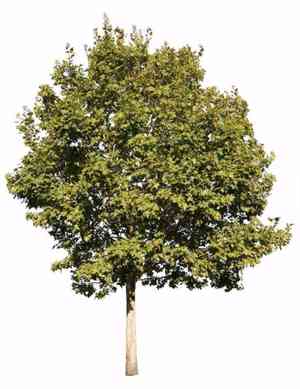
The American sycamore (Platanus occidentalis) is well-known for its toughness, making it a favored option in various landscapes. It flourishes in USDA Hardiness Zones 4 through 9, capable of enduring a broad spectrum of temperatures and conditions. This deciduous tree can adapt to diverse soil types, though it prefers soil that drains well. Its strong root system and thick bark offer additional defense against severe winter conditions, making overwintering an achievable task. However, understanding its winter care can ensure its health and vigor come spring.
Preparing American sycamore for Winter
Pruning Techniques
Trimming your American sycamore before winter is essential. Remove any dead or diseased limbs to prevent them from breaking under the weight of snow and ice. Aim for a light trim, primarily focusing on maintaining its form. Avoid heavy pruning as it can stress the tree and make it more vulnerable to winter harm.
Mulching Tips
Applying mulch around the base of your American sycamore helps insulate its roots from temperature fluctuations. Use a 7.6-10.2 cm (3-4 inch) layer of mulch, such as wood chips or straw, extending it out to the tree's drip line. Keep mulch away from the tree trunk to prevent rot and pest issues.
Watering Guidelines
Consistent watering in the autumn ensures your American sycamore enters winter adequately hydrated. Deeply water the tree, providing it with about 25.4-38.1 liters (7-10 gallons) weekly until the ground freezes. This helps prevent dehydration, which can cause bark cracks and other winter damage.
How to Protect American sycamore from Extreme Cold
Windbreaks and Barriers
Cold, drying winds can inflict significant harm on your American sycamore. Erecting windbreaks using burlap or other breathable materials around the tree can lessen wind stress. Position these barriers on the windward side of the tree to shield it from the harshest gusts.
Using Anti-Desiccant Sprays
Anti-desiccant sprays create a protective layer over the tree's surface, reducing water loss. Apply these sprays in late fall, before the first hard frost. These products help the American sycamore retain moisture and stay hydrated throughout winter, especially during dry periods.
Post-Winter Care for American sycamore
Early Spring Inspection
As winter ends, conduct a thorough inspection of your American sycamore. Look for any signs of winter damage such as cracked bark, broken branches, or pest infestations. Promptly address any problems to prevent further damage as the tree resumes active growth.
Fertilizing Recommendations
Fertilizing your American sycamore in early spring can provide a much-needed nutrient boost. Use a balanced, slow-release fertilizer to encourage vigorous growth. Follow the manufacturerâs instructions carefully, ensuring you donât over-fertilize, which could burn the roots or promote weak, spindly growth.
New Growth Pruning
Once new growth appears, perform a light pruning to shape the tree and remove any damaged or weak branches. This promotes a stronger and healthier structure. Make sure to use clean, sharp tools to make precise cuts, which help the tree recover quickly.



