How to Overwinter Sea plantain
1
Sea plantain is a robust species, enduring low temperatures more effectively than numerous other shoreline flora.
2
In colder months, decrease irrigation for Sea plantain to avoid root decay.
3
Applying mulch is vital for safeguarding Sea plantain roots against freezing conditions.
Understanding Sea plantain and Its Frost Hardiness
Understanding Sea plantain and Its Frost Hardiness
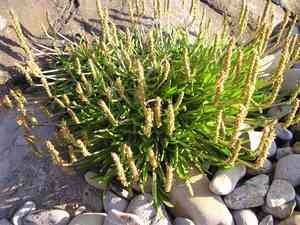
The Sea plantain (Plantago maritima) is a robust coastal plant known for its strong adaptability across various environments. Originating from salt marshes and coastal areas, this perennial plant shows surprising resilience against winter frosts. However, like all plants, it needs specific care to thrive through colder months. Recognizing its natural frost hardiness offers insight into the necessary protection. Generally, Sea plantain can endure temperatures well below freezing, making it suitable for outdoor growth in temperate zones.
Preparing Sea plantain for Winter
Inspecting the Plant
Before the harsh winter arrives, thoroughly examine each Sea plantain plant. Look for indications of disease or pest infestations, which could weaken the plant and reduce its ability to survive cold weather. Remove any damaged leaves, and consider treating the plant with an organic insecticide if pests are present.
Cleaning Up the Area
Clearing the area around your Sea plantain is vital for winter preparation. Remove fallen leaves, debris, and weeds from the plant's base. This minimizes the risk of pests and diseases settling in during the winter months. Additionally, a clean base ensures the plant receives adequate sunlight and air circulation, both crucial for its health.
Mulching
Mulching is one of the most effective ways to shield Sea plantain from freezing temperatures. Apply a thick layer of mulchâapproximately 5-10 cm (2-4 inches)âaround the plant's base. This helps insulate the roots against the cold and retains soil moisture. Organic mulch like straw, shredded leaves, or bark chips works best as they also enrich the soil as they decompose.
Ensuring Proper Watering
Watering Before the First Frost
Before the first frost appears, ensure your Sea plantain receives a thorough watering. This guarantees the plant is well-hydrated, which helps it better cope with freezing temperatures. Aim to water the plant until the soil is moist to a depth of about 15-20 cm (6-8 inches).
Reducing Watering in Winter
Once winter begins, decrease the frequency of watering your Sea plantain. Overwatering during winter can lead to root rot, as waterlogged soil can freeze and harm the roots. Instead, water sparingly, just enough to prevent the soil from completely drying out.
Protecting Sea plantain from Extreme Conditions
Providing Wind Breaks
Strong winds can be as damaging as frost. To protect your Sea plantain, consider installing windbreaks. You can use physical barriers like garden fencing or natural windbreaks such as shrubs and hedges. This prevents cold winds from drawing moisture from the plant and causing unnecessary stress.
Covering with Fabric
For extra protection, cover your Sea plantain with fabric during extremely cold nights. Use breathable materials like burlap or frost cloths. Avoid plastic as it can trap moisture and cause even more cold damage. Secure the covers to ensure they don't blow away in the wind, and remove them during the day to allow sunlight and air circulation.
Monitoring Sea plantain Through Winter
Checking for Pests and Diseases
Regularly inspect your Sea plantain for signs of pests or diseases throughout the winter. Cold weather doesn't eliminate these threats, and a weak or diseased plant is less likely to survive until spring. Address any issues promptly using appropriate treatments, such as neem oil for pests or fungicides for mold and mildew.
Adjusting Protections as Needed
Winter conditions can be unpredictable, so it's important to adjust your protections for Sea plantain as necessary. If temperatures drop unexpectedly or a severe storm is forecasted, reinforce your windbreaks and reapply or reposition mulch as needed. Remove any plant covers during milder weather to prevent overheating and moisture buildup.



