How to Overwinter Black pepper
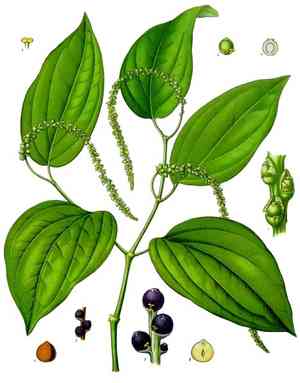
1
Black pepper plants are sensitive to cold and require indoor protection in winter.
2
Keep indoor temperatures between 15-24°C (59-75°F) for best development.
3
Provide high humidity, approximately 60-80%, for thriving Black pepper plants.
The Importance of Overwintering Black pepper Plants
The Importance of Overwintering Black pepper Plants
Black pepper plants are tropical perennials that flourish in warm, moist environments. In their natural habitats, they experience consistent heat and humidity, making them very susceptible to frost and cold temperatures. Protecting your Black pepper plants over winter is crucial as it shields them from the damaging effects of cold weather, ensuring they remain healthy and productive for the subsequent growing season. Without proper winter care, the plants could suffer from frost damage, diminished vitality, or even perish.
Preparing Black pepper Plants for the Cold Season
Check for Pests and Diseases
Before bringing your Black pepper plants inside, thoroughly inspect them for pests and diseases. Examine the undersides of leaves and stems for indications of common pests like spider mites, aphids, and scale insects. Apply a mild insecticidal soap or neem oil spray if necessary. This step helps prevent indoor pest outbreaks.
Pruning and Trimming
Trimming your Black pepper plant can help maintain a manageable size and promote vigorous growth. Cut back any excessively tall or leggy stems, and remove any dead or yellowing foliage. This not only aids the plant in adapting to indoor conditions but also reduces the likelihood of pest and disease problems.
Soil and Fertilization
Ensure your Black pepper plant has well-draining soil. Potted plants can be revitalized by adding a layer of compost or a balanced, slow-release fertilizer to support them through the colder months. Avoid excessive fertilization as this can lead to root burn and other issues.
Optimal Indoor Conditions for Black pepper During Winter
Ideal Temperature Range
Maintain indoor temperatures between 15-24°C (59-75°F). Black pepper plants do not tolerate cold drafts, so keep them away from doors and windows that might allow cold air to enter.
Humidity Requirements
High humidity levels are vital for Black pepper plants, ideally between 60-80%. Use a humidifier in the room or place a tray of water near the plant to increase moisture in the air. Misting the plant occasionally can also be beneficial.
Light Conditions and Placement
Position your Black pepper plant in a spot where it receives bright, indirect light. A south-facing window is perfect, but be cautious of direct sun that could scorch the leaves. Consider using supplemental grow lights if natural light is insufficient.
Watering Black pepper Plants in Winter
Frequency and Amount
Reduce watering frequency during the winter months. Allow the top 2-5 cm (1-2 inches) of soil to dry out before irrigating. Overwatering can lead to root rot, which is worsened by cooler indoor temperatures.
Signs of Overwatering
Look out for indications of overwatering, such as yellowing leaves, saturated soil, and a musty smell. If you observe these signs, decrease watering and ensure the plant pot has adequate drainage.
Common Issues When Overwintering Black pepper Plants
Pest Infestations
Even with preventative measures, indoor pest infestations can occur. Regularly inspect your plant for pests and address any problems promptly with appropriate treatments. Isolate affected plants to prevent pests from spreading.
Fungal Diseases
High humidity and poor air circulation can lead to fungal diseases. Ensure good airflow around your Black pepper plant and avoid overhead watering to prevent fungal growth on foliage.
When and How to Move Black pepper Plants Back Outdoors
Timing the Transition
Start moving your Black pepper plant back outdoors once nighttime temperatures consistently remain above 15°C (59°F), typically in late spring. Gradually reintroduce the plant to outdoor conditions to prevent shock.
Gradual Acclimatization
Begin by placing the plant outside in a shaded area for a few hours daily, progressively increasing its exposure to direct sunlight and outdoor elements over one to two weeks. This slow process helps the plant adjust without stress.



