How to Overwinter Eastern white pine
1
Eastern white pine tolerates cold well, enduring temperatures down to -30°C (-22°F).
2
Appropriate mulching aids in safeguarding Eastern white pine roots through severe winter conditions.
3
Applying anti-desiccant sprays helps shield Eastern white pine needles from winter damage.
Understanding Eastern white pine's Frost Hardiness
Understanding Eastern white pine's Frost Hardiness
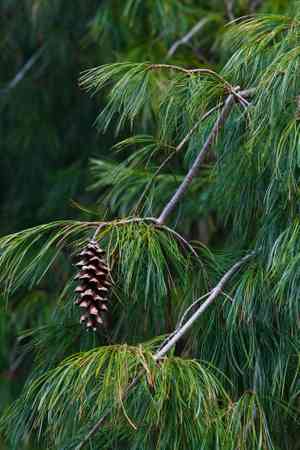
The Eastern white pine is renowned for its remarkable cold tolerance. This magnificent tree, indigenous to North America, can withstand extremely low temperatures, making it ideal for regions experiencing harsh winters. Capable of enduring temperatures down to -30°C (-22°F), this evergreen maintains its resilience all season. However, despite its toughness, proper care and protection are vital to ensure the tree's health and vitality during colder months.
Preparation Before Winter
Assessing the Health of Eastern white pine
Prior to winter's arrival, dedicate time to thoroughly evaluate your Eastern white pine's condition. Check for indications of illness, insect infestations, or any physical harm. Healthy trees are better equipped to handle winter stresses, so resolving any problems beforehand is crucial. Remove any damaged or diseased branches and consult a local arborist if significant issues are observed.
Pruning and Cleaning
Trimming your Eastern white pine before winter can help preserve its form and lessen the chance of damage from heavy snow or ice. Cut away dead or weak branches, and clear the area around the tree to deter mold and pests. Pruning promotes healthier development and allows the tree to conserve energy during colder periods.
Mulching Techniques
Applying a layer of mulch around the base of your Eastern white pine effectively insulates its root system. Utilize organic mulch like wood chips or pine needles, spreading it approximately 5-7 centimeters (2-3 inches) thick. This aids in retaining soil moisture, regulating temperature, and guarding against frost heaving, where repeated freezing and thawing of soil can potentially dislodge the tree.
Watering Strategies
Adequately watering your Eastern white pine before the ground freezes ensures it enters winter well-hydrated. Provide deep irrigation, aiming for about 2.5-5 centimeters (1-2 inches) of water weekly. This practice helps the tree retain moisture through winter, reducing the risk of winter burn caused by dry, cold winds.
How to Protect Eastern white pine During Winter
Shielding from Wind and Ice
Strong winds and ice accumulation can inflict considerable harm on Eastern white pine. To mitigate this, consider employing windbreaks such as burlap screens or temporary fences around young or recently planted trees. Ensure these barriers are robust and positioned correctly to offer maximum protection without completely impeding airflow.
Monitoring Soil Conditions
Even throughout the winter, it's essential to keep an eye on soil conditions. Check for significant temperature fluctuations which might lead to frost heaving. Snow acts as an insulating blanket, so try to maintain snow cover around the base of the tree. If snowfall is lacking, you can use additional mulch to provide extra insulation.
Using Anti-Desiccant Sprays
Anti-desiccant sprays form a protective coating on the needles of Eastern white pine, reducing moisture loss and preventing winter burn. Apply the spray in late fall when temperatures are still above freezing. Be sure to follow the manufacturer's instructions for optimal results and reapply as needed throughout the winter.
Post Winter Care for Eastern white pine
Inspecting for Winter Damage
Once the winter months have passed, carefully examine your Eastern white pine for any signs of damage. Look for broken branches, discoloration, or indications of disease. Addressing these issues promptly will help the tree recover and prepare for new growth in the spring.
Early Spring Pruning
Pruning in early spring is crucial for revitalizing your Eastern white pine. Remove any damaged or dead branches, and thin out dense areas to enhance light penetration and airflow. Correct pruning techniques encourage vigorous growth and help the tree maintain its natural form.
Fertilization Tips
Fertilizing your Eastern white pine in early spring can boost its recovery and promote healthy growth. Use a slow-release, balanced fertilizer formulated for evergreens. Adhere to the recommended application rates to avoid over-fertilization, which can harm the tree.
Common Issues and Solutions
Pest and Disease Control
Even with optimal care, Eastern white pine can still encounter pest and disease challenges. Watch for common pests like pine beetles and aphids, and diseases such as white pine blister rust. Regular monitoring and timely intervention with appropriate treatments can prevent severe damage.
Addressing Needle Discoloration
Needle discoloration in Eastern white pine can signal various problems, such as nutrient deficiencies or environmental stress. Perform a soil test to check nutrient levels and adjust fertilization accordingly. Ensure proper watering practices and provide adequate winter protection to alleviate stress-related discoloration.



