How to Overwinter Longleaf pine
1
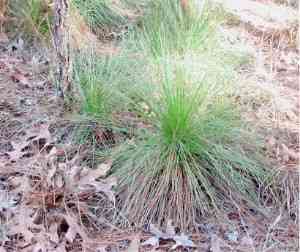
Pinus palustris originate from the southeastern regions of the United States.
2
Protecting young pines from harsh frost and severe weather during winter is essential.
3
Adequate mulching significantly lowers the chance of root harm in cold weather.
The Importance of Overwintering Longleaf pine
The Importance of Overwintering Longleaf pine
As a native of the southeastern United States, the Longleaf pine (Pinus palustris) can flourish in diverse environments, but winter presents specific hazards. Overwintering is vital to safeguard these magnificent trees from potential frost harm, particularly for younger specimens and those in areas with severe winters. By preparing your Longleaf pine for the cold season, you guarantee its well-being and vigor, allowing it to rejuvenate when warmer weather returns.
Getting Longleaf pine Ready for Winter
Checking for Pests and Diseases
Before winter arrives, examine your Longleaf pine for any indications of pests or diseases. Common problems include pine beetles and fungal infections. Address any infestations promptly with suitable insecticides or fungicides to prevent further harm. Pests and diseases can weaken the tree, making it more susceptible to winter stress.
Trimming and Mulching
Pruning is another critical step in winter preparation. Remove any dead or diseased branches to enhance air circulation and decrease the risk of fungal infections. After pruning, apply a thick layer of mulch around the tree's base, extending to the drip line. Mulch helps insulate the roots, retain moisture, and regulate soil temperature. Use organic mulch, such as pine needles or wood chips, for optimal results.
Winter Placement for Longleaf pine
Optimal Temperature and Light Conditions
Placing your Longleaf pine in an appropriate spot is crucial for its winter survival. The tree should be in an area that receives ample sunlight, even during the colder months. Ensure the location offers some protection from strong winds, which can worsen frost damage by rapidly lowering temperatures and increasing water loss from the needles.
Winter Watering and Feeding for Longleaf pine
Watering Schedule
Proper watering is essential to help your Longleaf pine endure the winter. Reduce the frequency of watering as temperatures drop, but do not allow the soil to completely dry out. Water the tree deeply once a month during dry periods, ensuring the soil is moist but not waterlogged. This practice helps maintain root health and prevents dehydration.
Fertilizing Requirements
Avoid fertilizing your Longleaf pine during the winter months. Fertilization promotes new growth, which is more vulnerable to frost damage. Instead, apply a slow-release, balanced fertilizer in the fall, giving the tree time to absorb the nutrients before winter begins.
Monitoring Longleaf pine for Winter Damage
Signs of Frost Damage
Frost damage on Longleaf pine can appear as browning or wilting needles, particularly at the tips. Other indicators include bark splitting and reduced needle retention. Regularly inspect your tree for these symptoms throughout the winter season.
Steps to Aid Damaged Pine
If you observe frost damage, take immediate action to assist the tree's recovery. Trim away the affected branches and needles to prevent secondary infections. Ensure the tree is adequately watered, and apply a balanced fertilizer in early spring to encourage new growth. Avoid heavy pruning during winter as it can further stress the tree.



