How to Overwinter Japanese red pine
1
The Japanese red pine tolerates cold well, making it appropriate for cooler regions.
2
Applying mulch aids in protecting the soil and root system of your Japanese red pine over winter.
3
Adequate watering and limited fertilization are crucial for preserving your Japanese red pine's well-being during the winter months.
Understanding Japanese red pine Frost Hardiness
Understanding Japanese red pine Frost Hardiness
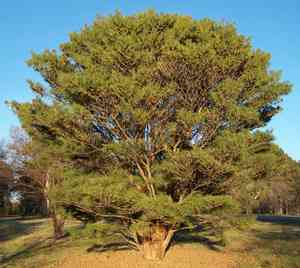
The Japanese red pine (Pinus densiflora) is a beautiful decorative tree recognized for its vivid reddish bark and elegant, expansive canopy. A key characteristic is its impressive frost tolerance. This tree can endure significant cold, making it an excellent option for gardeners in moderate and colder climates. Typically, it can withstand temperatures as low as -20°C (-4°F). Nevertheless, providing sufficient protection is still vital to ensure its health through winter and into spring.
Preparing Your Japanese red pine for Winter
When to Start Winter Preparations
Initiate your winter preparations for the Japanese red pine in late autumn, prior to the first frost. This timing allows the tree to gradually adapt to the approaching cold. Observe natural indicators, such as leaf drop and progressively cooler nights, as your signal to commence the preparation process.
Pruning and Trimming Techniques
Pruning is crucial for maintaining the health and form of your Japanese red pine. Remove any dead, dying, or diseased branches to prevent them from causing harm during winter. Trim branches that are excessively long or crossing, as snow and ice accumulation can lead to breakage. Always use clean, sharp pruning shears to make precise cuts just outside the branch collar.
Soil and Mulching Requirements
Healthy soil is essential for the Japanese red pine's winter survival. Start by ensuring the soil around the tree drains effectively. You can enhance drainage by incorporating organic compost. Mulching helps insulate the roots from extreme temperature fluctuations. Apply a 5-10 cm (2-4 inches) layer of mulch around the base, extending to the treeâs drip line. Be sure to keep the mulch slightly away from the trunk to prevent moisture-related issues.
Protecting Your Japanese red pine From Extreme Cold
Using Windbreaks and Barriers
Windbreaks and barriers can significantly reduce the harsh effects of cold winds. Erect temporary windbreaks using burlap or other breathable materials around your Japanese red pine. These shield the tree from drying winds and ice storms, which can harm the needles and bark. Ensure that the barriers are firmly secured to withstand winter storms.
Insulating with Mulch and Coverings
In addition to mulching, you can use other materials to insulate your Japanese red pine. During severe cold snaps, consider covering the tree with horticultural fleece or frost cloths. This extra layer of protection helps maintain a stable temperature around the tree. However, ensure the materials are breathable to prevent moisture build-up and potential fungal problems.
Watering and Feeding During Winter
Watering Guidelines
Winter watering is vital, but it must be done correctly. Water your Japanese red pine deeply before the ground freezes, ensuring the soil is moist to a depth of about 30 cm (12 inches). This deep watering helps the roots sustain through the dry winter months. On warmer winter days, if the ground isn't frozen, check soil moisture and water lightly if needed, but be careful not to overwater.
Winter Fertilization Tips
Fertilization during winter is generally not advised for Japanese red pine, as the tree is in its dormant phase. Over-fertilizing can stimulate new growth that is susceptible to frost damage. However, applying a slow-release fertilizer in late fall can help provide nutrients when the tree resumes growth in spring. Always follow the manufacturerâs instructions for the appropriate amounts.
What to Do If Your Japanese red pine Shows Winter Damage?
Identifying Signs of Winter Damage
It's important to regularly inspect your Japanese red pine for signs of winter damage. Look for browning or scorched needles, which indicate frost damage. Brittle branches or cracked bark can also be symptoms of exposure to extreme cold. Identifying these signs early can help mitigate further damage.
Steps for Recovery and Repair
If you notice winter damage, take prompt action. Prune away any damaged or diseased sections in early spring to prevent the spread of disease. Apply a balanced, slow-release fertilizer to support new growth. Ensure the tree is watered adequately as it comes out of dormancy and continue with regular care practices to promote recovery. If the damage is extensive, consult a local arborist for further advice.



