How to Overwinter Sand pine
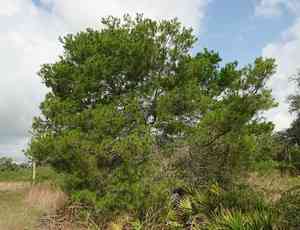
1
Sand pine tolerates cold well, simplifying its care in colder periods.
2
Apply a mulch layer of at least 5 cm (2 inches) around the Sand pine's base to shield roots from low temperatures.
3
Consistent checks for pests and diseases help avoid significant issues and promote robust winter growth.
Significance of Overwintering for Sand pine
Significance of Overwintering for Sand pine
Overwintering is vital for the well-being and longevity of your Sand pine. Although it tolerates frost, extreme cold or fluctuating temperatures can stress and harm the plant. Proper overwintering techniques help minimize these risks, fostering resilience and vigorous growth once warmer weather arrives. By protecting your Sand pine, you create an environment where it can flourish year-round, providing lush, green foliage as a reward.
Steps to Overwinter Sand pine
Inspection and Pruning
Begin by thoroughly inspecting your Sand pine for any indications of pests, diseases, or damage. Remove any dead or diseased branches to prevent them from draining energy from the tree's healthy parts. Pruning should be done carefully, cutting just above a node or where the branch meets the trunk. This helps the Sand pine maintain a healthy form and prepares it for the colder months.
Effective Mulching Practices
Mulching is a critical step in the overwintering process. Apply a generous layer of mulch around the base of the Sand pine, at least 5 cm (2 inches) thick. This mulch acts as an insulating layer, shielding the roots from severe temperature fluctuations. Choose organic mulches like pine needles or wood chips, which can decompose and enrich the soil over time. Ensure the mulch does not directly touch the trunk to prevent rot.
Watering Recommendations
Watering is essential as Sand pine transitions into winter. Deep watering before the ground freezes helps the roots retain moisture throughout the cold period. Aim to water until the top 15-20 cm (6-8 inches) of soil is moist. During winter, avoid overwatering, as excessive moisture can lead to root rot. If the ground isn't frozen, check soil moisture periodically and water sparingly when necessary.
Frost Protection Strategies
Even though Sand pine is frost-hardy, extra protection can prevent potential frost damage. Use burlap screens or frost cloths to shield the plant from icy winds and heavy frost. You can also wrap the trunk with tree wraps to guard against frost cracks and sunscald. Ensure coverings are secure but allow some airflow to prevent moisture buildup, which can lead to diseases.
Common Winter Issues and Their Solutions
Addressing Frost Damage
Despite best efforts, frost damage can sometimes occur. If you notice parts of your Sand pine turning brown or appearing scorched, this could indicate frost damage. Prune away the affected areas once the frost has passed to prevent disease spread. In severe cases, additional protection like windbreaks or more substantial wraps may be needed in the future.
Preventing Pests and Diseases
Winter does not deter pests and diseases. Regularly inspect your Sand pine for any signs of infestation, such as unusual coloration or patterns on the needles. Use appropriate treatments like neem oil for pests or fungicides for diseases, following application guidelines to minimize harm to the plant and environment.
Ensuring Adequate Ventilation
Good ventilation is crucial even during winter. Avoid tightly wrapping your Sand pine, as this can create a humid environment that promotes fungal growth and pest infestations. If using covers, ensure they allow sufficient air circulation while still providing protection from the elements. This balance helps maintain the overall health of your Sand pine through the winter months.



