How to Overwinter Red spruce
1
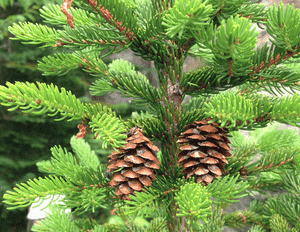
Red spruce trees flourish in chilly environments but still require readiness to withstand more severe winter weather.
2
Appropriate mulching can greatly assist in safeguarding the Red spruce roots from freezing temperatures.
3
Consistent observation of soil dampness and snow buildup is crucial in averting winter harm to your Red spruce.
Why Overwinter Red spruce?
Why Overwinter Red spruce?
As temperatures fall and winter arrives, it's vital to ensure your Red spruce trees are ready for the colder months. Overwintering involves various methods to shield your trees from frost, dehydration, and other weather-related stresses. This not only helps maintain their health and vitality but also ensures they rebound more vigorously when warmer weather returns.
Preparing Red spruce for Winter
Evaluating Plant Health
Before winter's onset, thoroughly inspect your Red spruce trees. Examine their needles, branches, and overall structure for any indications of disease or nutrient shortages. Healthy trees are better equipped to endure winter's challenges.
Proper Pruning Techniques
Pruning your Red spruce helps remove any dead or diseased branches that could become problematic during winter. It's best to prune your Red spruce in late autumn before the first hard freeze. This strengthens the tree and reduces the risk of branches breaking under snow or ice weight.
Watering Schedule Adjustments
As winter approaches, modify your watering routine to ensure your Red spruce trees are adequately hydrated. Deep watering in late fall helps trees store enough moisture to last through the dry winter months. Aim for approximately 5 liters (about 1.3 gallons) of water per square meter around the root zone.
Protecting Red spruce from Extreme Cold
Mulching Strategies
Applying a thick layer (around 5-10 centimeters or 2-4 inches) of organic mulch at the base of your Red spruce insulates the soil and protects roots from freezing temperatures. Use materials like bark, wood chips, or straw for optimal results.
Wind Breaks and Shelters
Strong winter winds can significantly harm Red spruce trees. Consider installing wind breaks or shelters to create a barrier against harsh winds. You can use burlap screens, temporary fencing, or even strategically planted shrubs as natural wind barriers.
Burlap Wrapping
Wrapping your Red spruce trees in burlap helps shield needles and branches from windburn and desiccation. Secure the burlap loosely around the tree, ensuring sufficient space for air circulation. This method is particularly beneficial for younger or newly transplanted Red spruce.
Winter Monitoring and Maintenance
Regular Health Inspections
Throughout winter, regularly check your Red spruce trees for any signs of stress or damage. Look for broken branches, frost damage, or pest infestations, and address any issues promptly.
Tracking Soil Conditions
Monitor soil moisture levels regularly to ensure your Red spruce isn't suffering from dehydration. While excessive water can lead to root rot, too little can cause severe stress. Use a soil moisture meter or simply check with your fingers.
Handling Snow Accumulation
Heavy snow accumulation can cause branches to break. Gently brush off excess snow from your Red spruce branches using a broom or similar tool. Avoid shaking the tree as this can lead to breakage.
Common Winter Issues with Red spruce
Recognizing Frost Damage
Frost damage in Red spruce typically appears as brown or blackened needles. If you observe these symptoms, wait until late spring to prune the damaged areas, as they might still recover.
Dealing with Pests and Diseases
During winter, watch out for common pests like spruce spider mites and aphids. Inspect your Red spruce regularly and use appropriate treatments, such as horticultural oils or neem oil, if you notice any infestations.
Addressing Nutrient Deficiencies
Nutrient deficiencies can become evident during winter. Yellowing needles might indicate a lack of essential nutrients like nitrogen. Applying a slow-release fertilizer in early spring can help correct these deficiencies.



