How to Overwinter White spruce
1
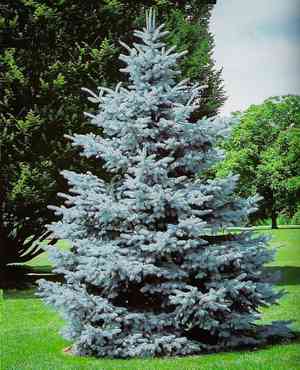
The White spruce tolerates frost well and endures very low temperatures.
2
Adequate mulching is essential for safeguarding the White spruce's roots in winter.
3
Frequent checks in winter allow for early detection and resolution of problems such as frost heave and ice damage.
Understanding White spruce Winter Behavior
Understanding White spruce Winter Behavior
The White spruce is a robust conifer known for its capacity to endure harsh winter conditions. Originating from northern regions, it's well-suited to cold climates, making it a favored option for chilly areas. During winter, the White spruce enters a dormant phase, where its growth slows, and it conserves energy. Grasping this natural behavior is vital for providing appropriate care and ensuring the plant's health until spring.
Preparing White spruce for Winter
Soil Conditioning
Before the onset of cold temperatures, it's crucial to prepare the soil surrounding your White spruce. Begin by checking pH levels; the ideal range is between 5.5 and 7.5. Incorporate compost or organic matter to boost soil fertility and ensure proper drainage. Adequate soil conditioning aids in maintaining root health, which is essential for the tree's winter survival.
Mulching Techniques
Mulching involves applying a protective layer to the soil surface around your White spruce. It helps insulate roots, retain moisture, and minimize temperature fluctuations. Utilize materials such as straw, wood chips, or bark mulch. Apply a 5-10 cm (2-4 inches) thick layer around the tree's base, ensuring it doesn't touch the trunk to prevent rot. This layer will act as a shield, protecting the roots from extreme cold.
Watering Adjustments
Watering requirements change as temperatures decrease. In late autumn, provide your White spruce with a thorough watering to ensure roots are well-hydrated before the ground freezes. Reduce watering during winter, but ensure the soil remains slightly moist. Excessive watering can lead to root rot, while insufficient watering can cause desiccation, particularly in areas with dry winters.
Protecting White spruce from Winter Damage
Dealing with Frost Heave
Frost heave occurs when soil expands and contracts due to freezing and thawing cycles, causing plants to lift from the ground. Prevent this by maintaining consistent soil moisture and applying mulch around the base of the White spruce. Mulch helps regulate soil temperature, reducing the risk of frost heave. If you notice any exposed roots, cover them with soil and add a protective mulch layer.
Preventing Ice Breakage
Heavy snow and ice accumulation can cause branches to snap. To protect your White spruce, gently brush off excess snow with a broom. Avoid shaking branches as this can cause them to break. For young trees or those with delicate branches, consider using stakes or ties to provide additional support during winter storms.
Monitoring White spruce During Winter
Regular Inspections
Frequent check-ups are essential to ensure your White spruce remains healthy throughout winter. Inspect the tree every few weeks for any signs of damage, disease, or pest infestation. Look for broken branches, discolored needles, or unusual growths and take immediate action to address these issues.
Identifying Stress Signs
During winter, stress indicators in your White spruce can include browning needles, sparse growth, or sap leakage. If you observe these symptoms, it may suggest underlying issues such as improper watering, soil composition, or extreme cold exposure. Address these problems promptly to help your tree recover and thrive.
Post-Winter Care for White spruce
Spring Pruning
As spring arrives, it's time to prune your White spruce to encourage healthy growth. Remove any dead, damaged, or diseased branches using clean, sharp pruning shears. This process not only enhances the tree's appearance but also promotes better air circulation and sunlight penetration, which are vital for new growth.
Soil and Nutrient Restoration
After winter, replenish the soil around your White spruce by adding a balanced fertilizer to restore lost nutrients. Consider using a slow-release formula to provide consistent nourishment throughout the growing season. Additionally, check the soil pH and adjust as necessary to maintain optimal conditions for your tree.



