How to Overwinter Common ninebark
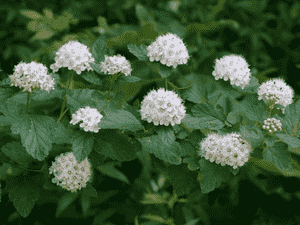
1
Common ninebark tolerates cold well, enduring temperatures down to -30°F (-34°C).
2
Applying mulch can safeguard Common ninebark's root system in freezing conditions.
3
Winter pruning encourages robust development in the spring season.
Preparing Common ninebark for Winter
Preparing Common ninebark for Winter
Getting your Common ninebark ready for the cold season is vital for its health and vigor. Begin by tidying the area surrounding the plant. Clear away fallen leaves, debris, and weeds that might harbor pests or illnesses. Next, trim any dead or damaged branches to prevent further issues during winter. You might also consider adding a layer of compost around the plant's base to enrich the soil and provide nutrients to help it endure the colder months.
Best Time to Start Overwintering Common ninebark
Understanding Frost Dates
A primary step in readying your Common ninebark for winter involves knowing the frost dates in your region. These dates help predict when the initial and final frosts will occur, providing a timeline for when to begin winterizing your plant. Frost date information is available from local weather services or agricultural extension offices.
Monitoring Temperature Changes
Beyond understanding frost dates, it's crucial to track temperature shifts as winter approaches. Regularly checking the weather forecast will help you anticipate sudden cold snaps. Initiate your overwintering preparations when nighttime temperatures consistently fall below 40°F (4°C). This typically happens a few weeks before the first anticipated frost.
How to Protect Common ninebark from Extreme Cold
Mulching Techniques for Insulation
Mulching is among the most effective methods to insulate your Common ninebark against cold weather. Apply a 5-7 cm (2-3 inch) thick layer of mulch around the plant's base, extending to its drip line. This helps stabilize soil temperature and prevents root freezing. Organic mulches such as wood chips, straw, or shredded leaves are excellent choices for this purpose.
Using Protective Covers
For added protection, you can utilize protective coverings like burlap or frost cloth. These materials can shield your Common ninebark from harsh winds and freezing temperatures. Simply drape the cover over the shrub and secure it at the base with rocks or stakes. Ensure adequate ventilation to prevent moisture accumulation, which can lead to fungal diseases.
Watering Tips During Winter Months
Even though Common ninebark is dormant in winter, it still requires occasional watering, especially during dry periods. Water your plant deeply once a month when the ground is not frozen. This helps maintain a hydrated and healthy root system. Be careful not to overwater, as excessive moisture can cause root rot.
Maintaining Common ninebark Health Over Winter
Pruning Guidelines
Pruning your Common ninebark before winter can promote vigorous growth and prevent disease. First, remove any dead, damaged, or diseased branches. Then, thin out the shrub's interior to improve airflow and reduce the risk of fungal infections. Avoid over-pruning, as this can stress the plant.
Pest and Disease Prevention
Winter is an opportune time for pest and disease prevention. Inspect your Common ninebark for any signs of pests like aphids or spider mites, and apply suitable treatments if necessary. Additionally, clearing debris and keeping the area around the plant clean can lessen the likelihood of disease. Applying a dormant oil spray can also help eliminate overwintering insect eggs and fungal spores.
FAQs About Overwintering Common ninebark
Can Common ninebark Survive Harsh Winters?
Yes, Common ninebark is a resilient shrub that can endure harsh winters with proper care. Its frost-hardiness allows it to withstand temperatures as low as -30°F (-34°C). However, implementing preventive measures like mulching and using protective covers can significantly improve its chances of thriving.
What to Do if Frost Damage Occurs?
If your Common ninebark experiences frost damage, the best approach is to wait until spring before making significant pruning decisions. Dead or damaged branches can be trimmed away once new growth emerges. Ensure the plant is well-watered and consider adding a balanced fertilizer to aid its rapid recovery.



